FreshDash - Fresh Food Fast!
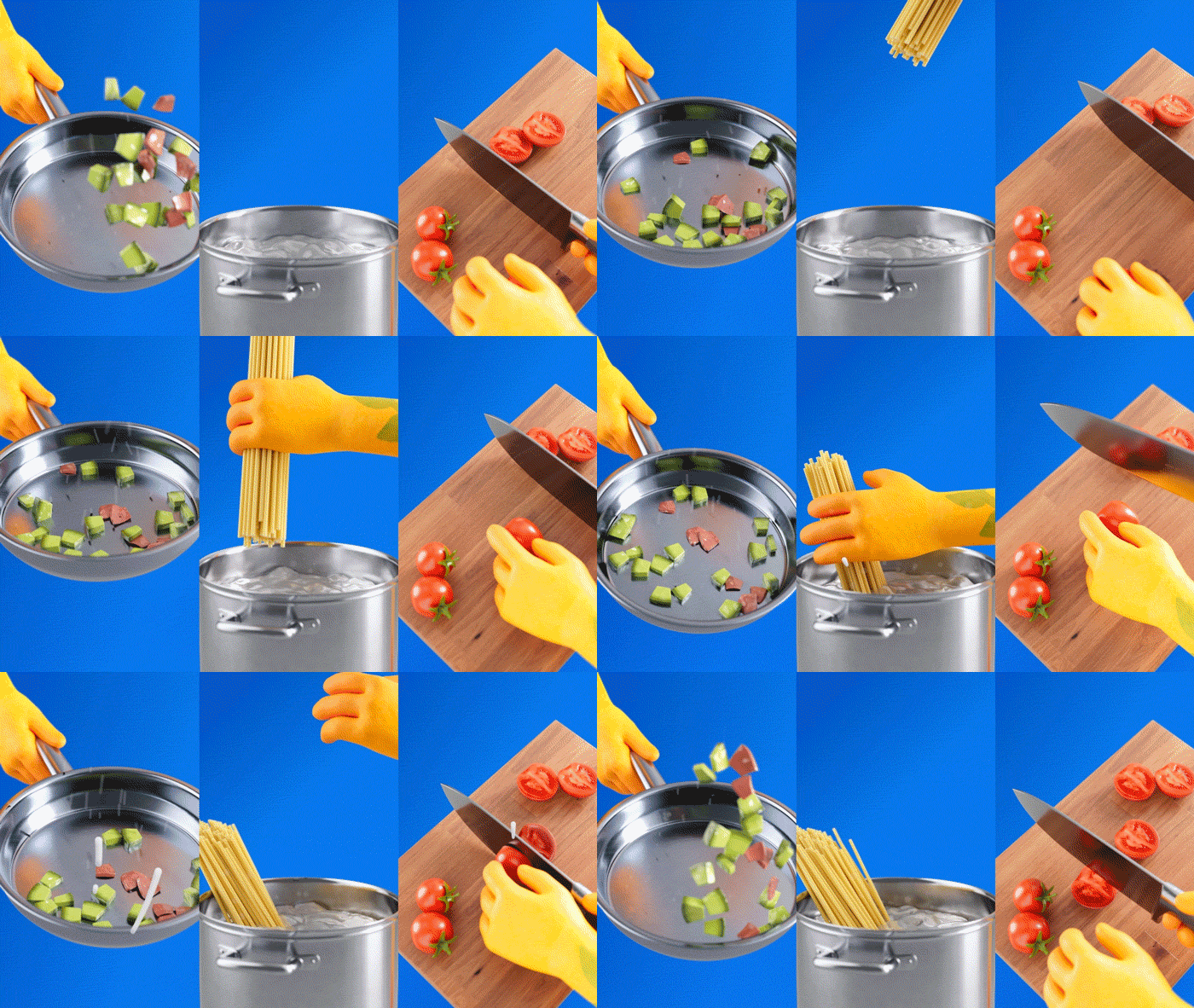
A fun project full of flying veggies and fresh food,
where modern convenience meets snappy animation.
The concept
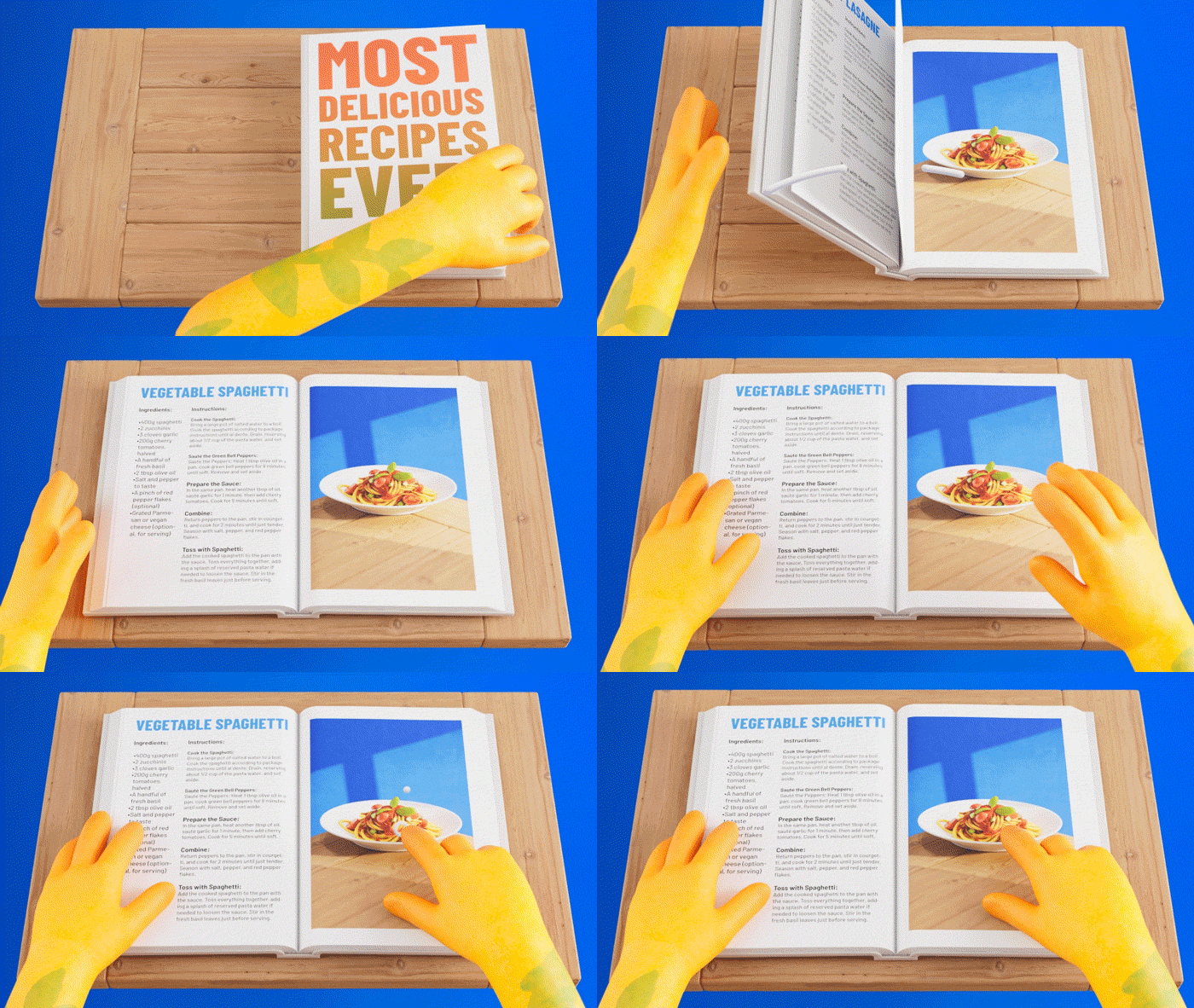
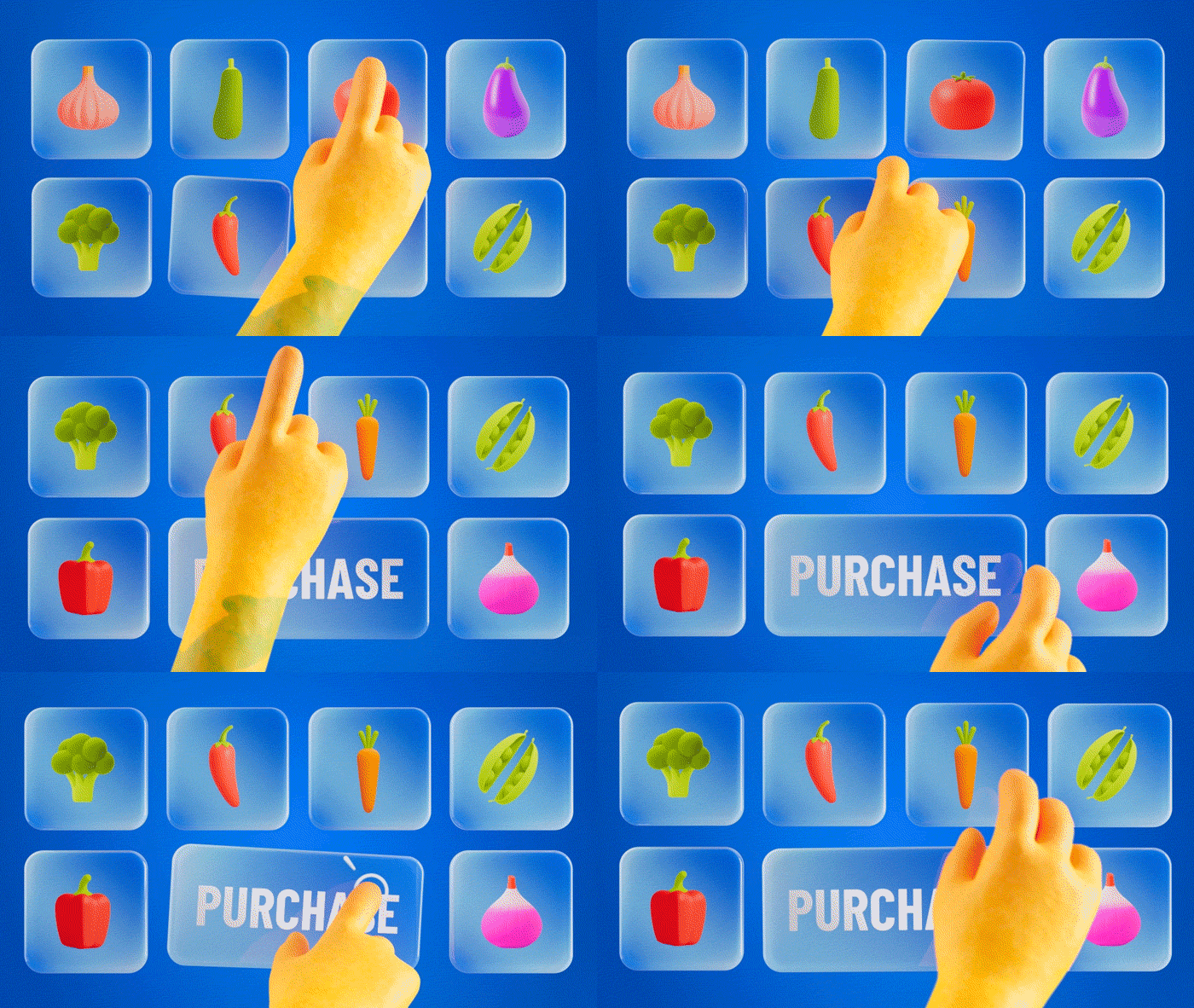
I wanted to create the ideal pitch for myself: fun, punchy, character-driven, and something that could actually run as a commercial. The result: FreshDash, a fictional grocery delivery app solving a real cooking problem.
The Development
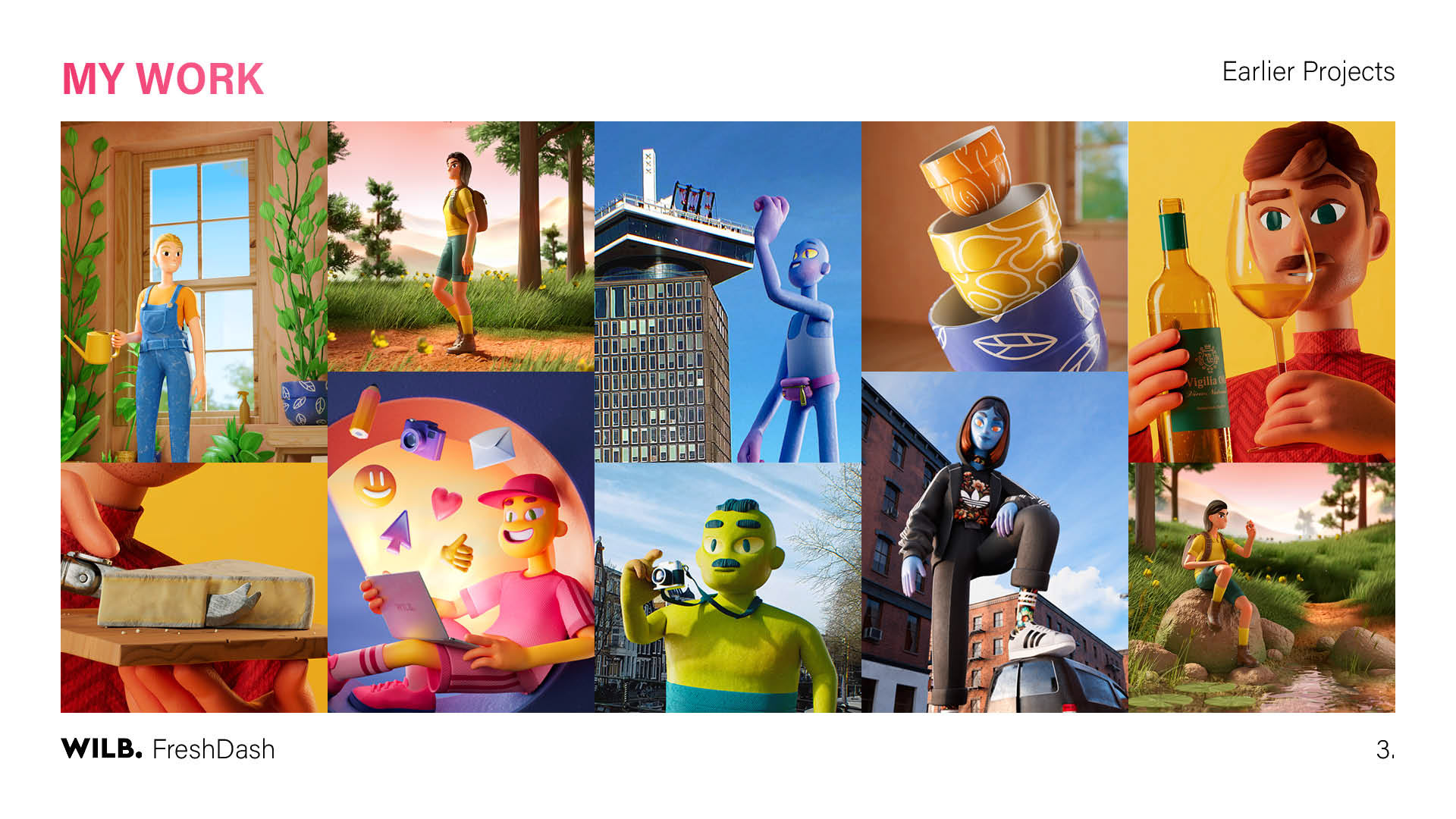
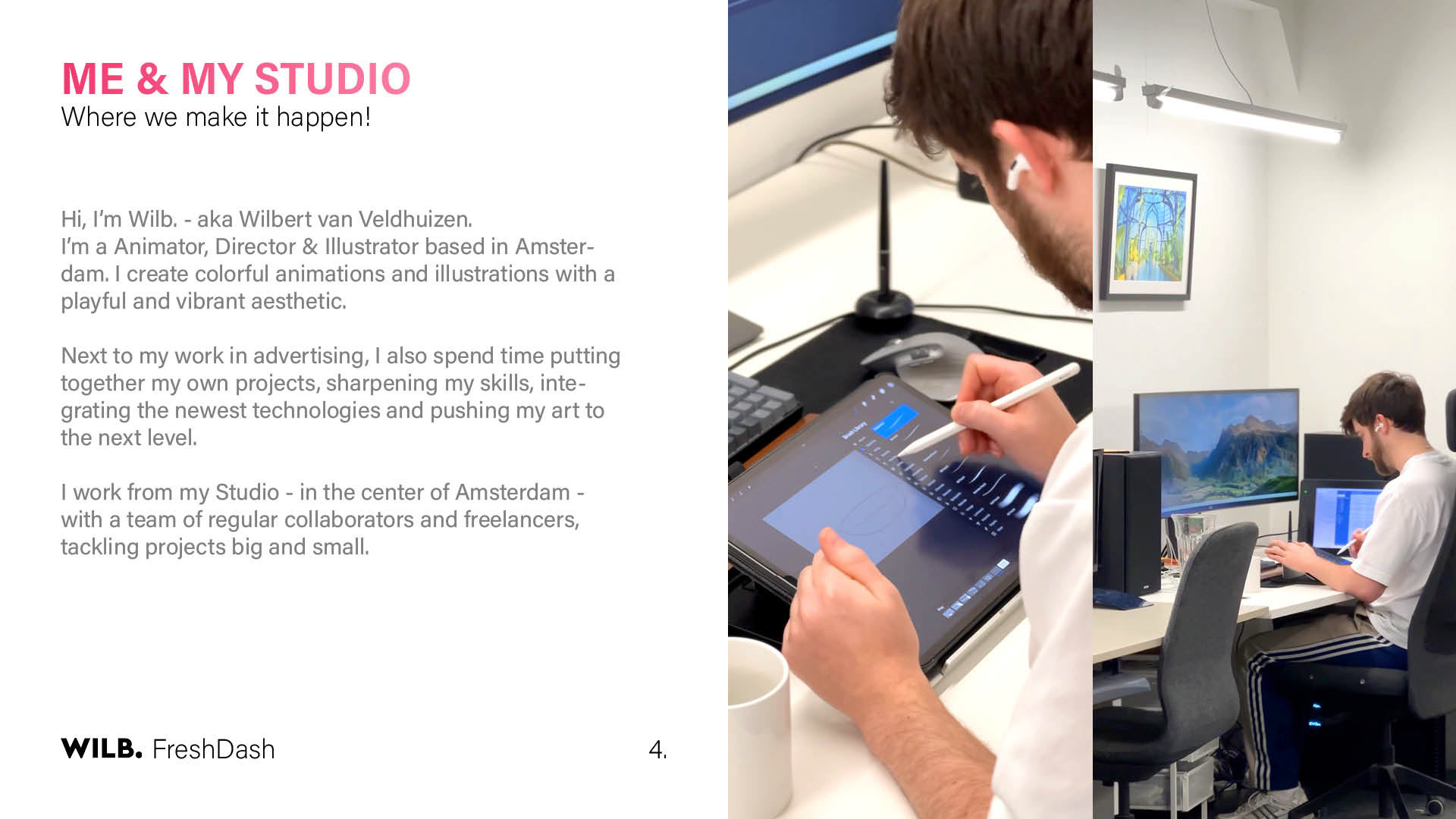
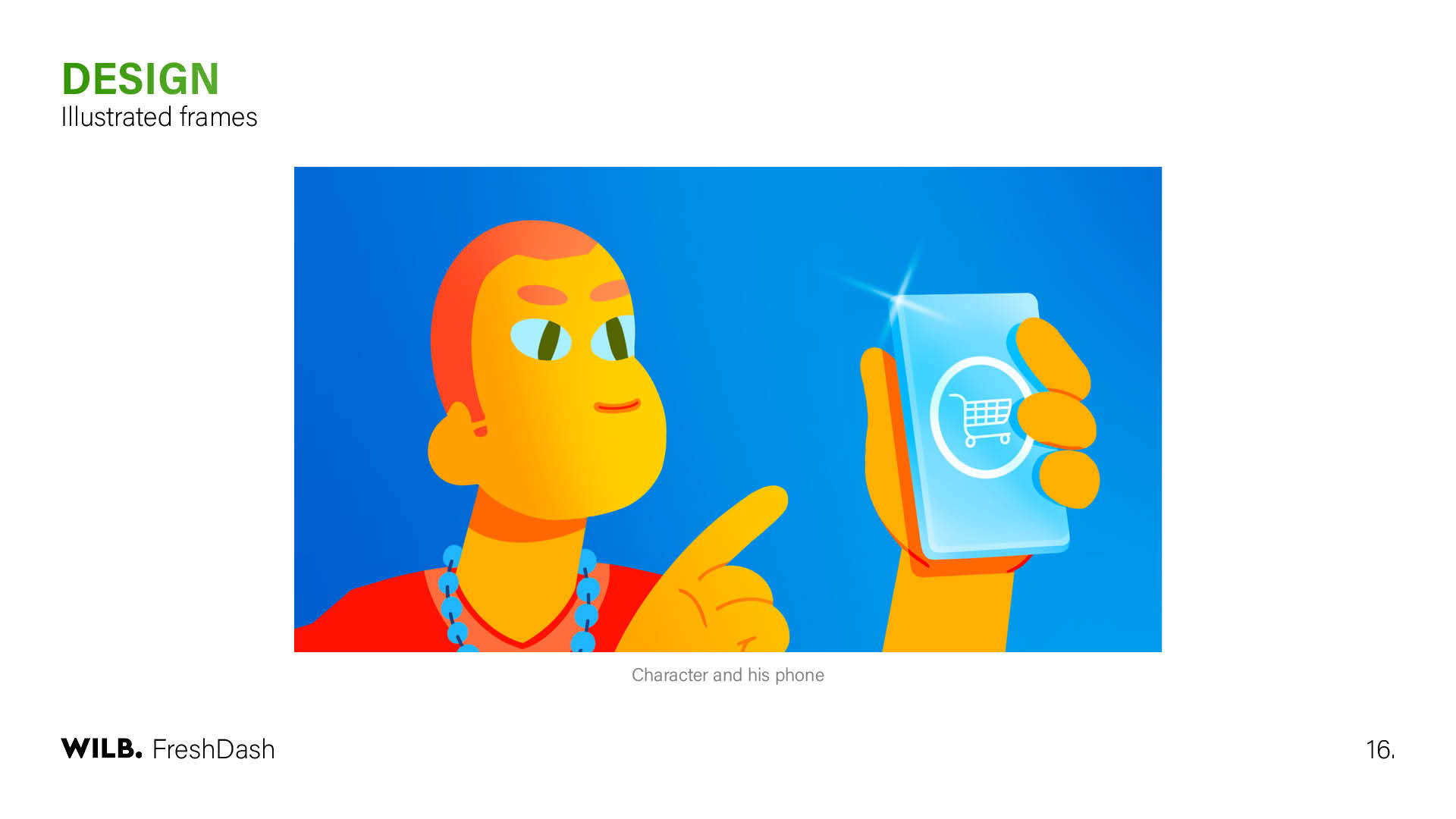
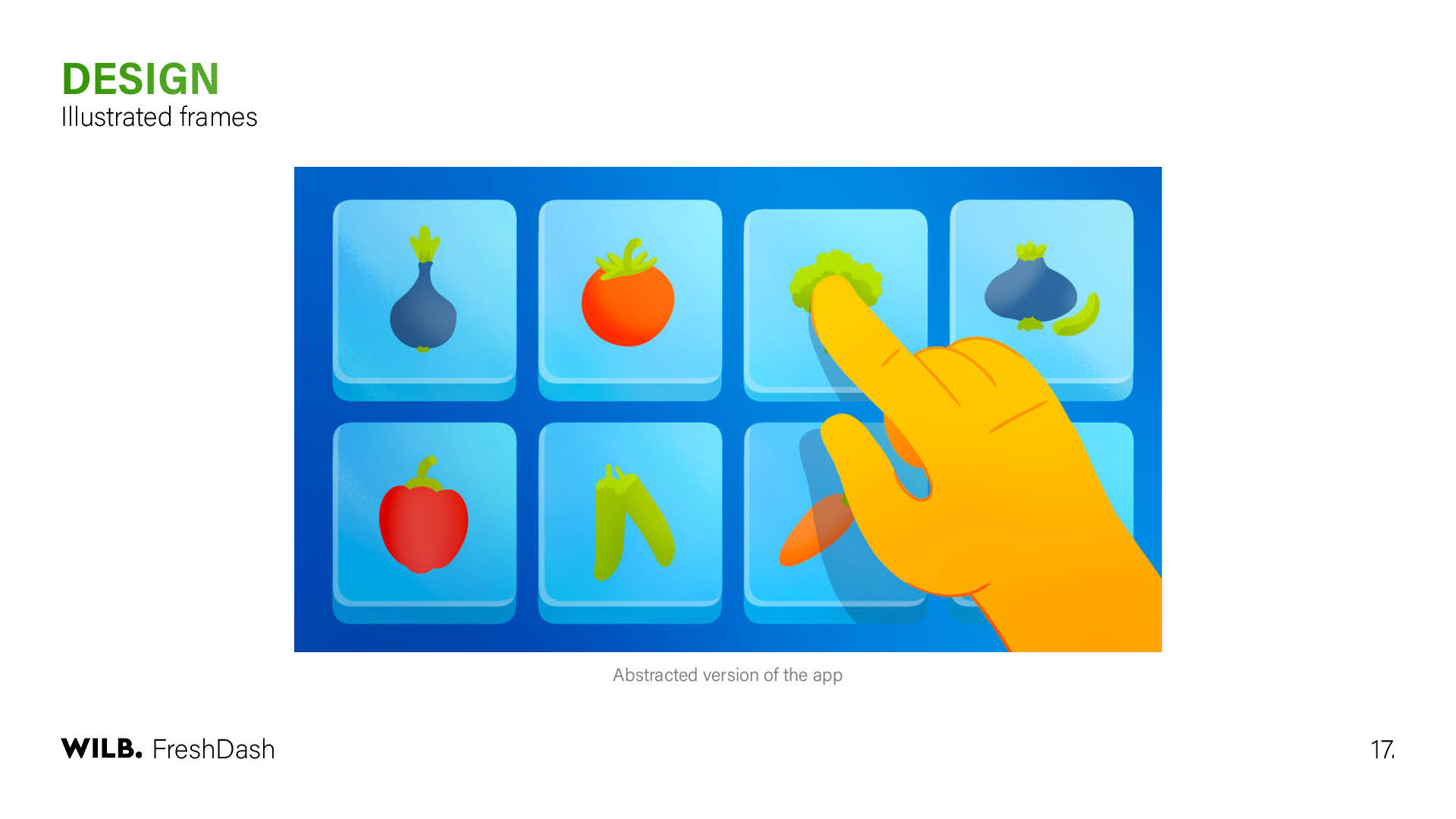
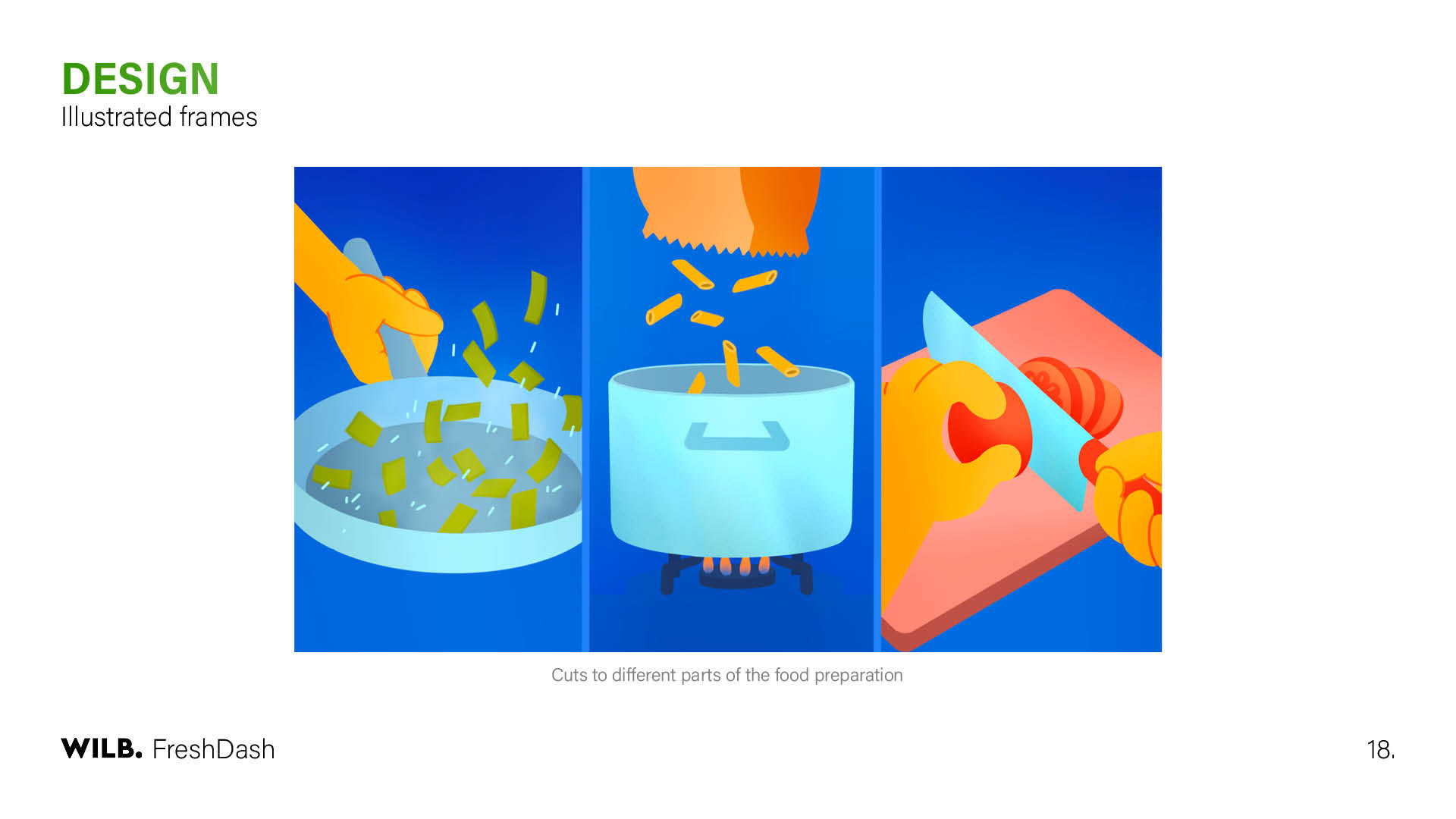
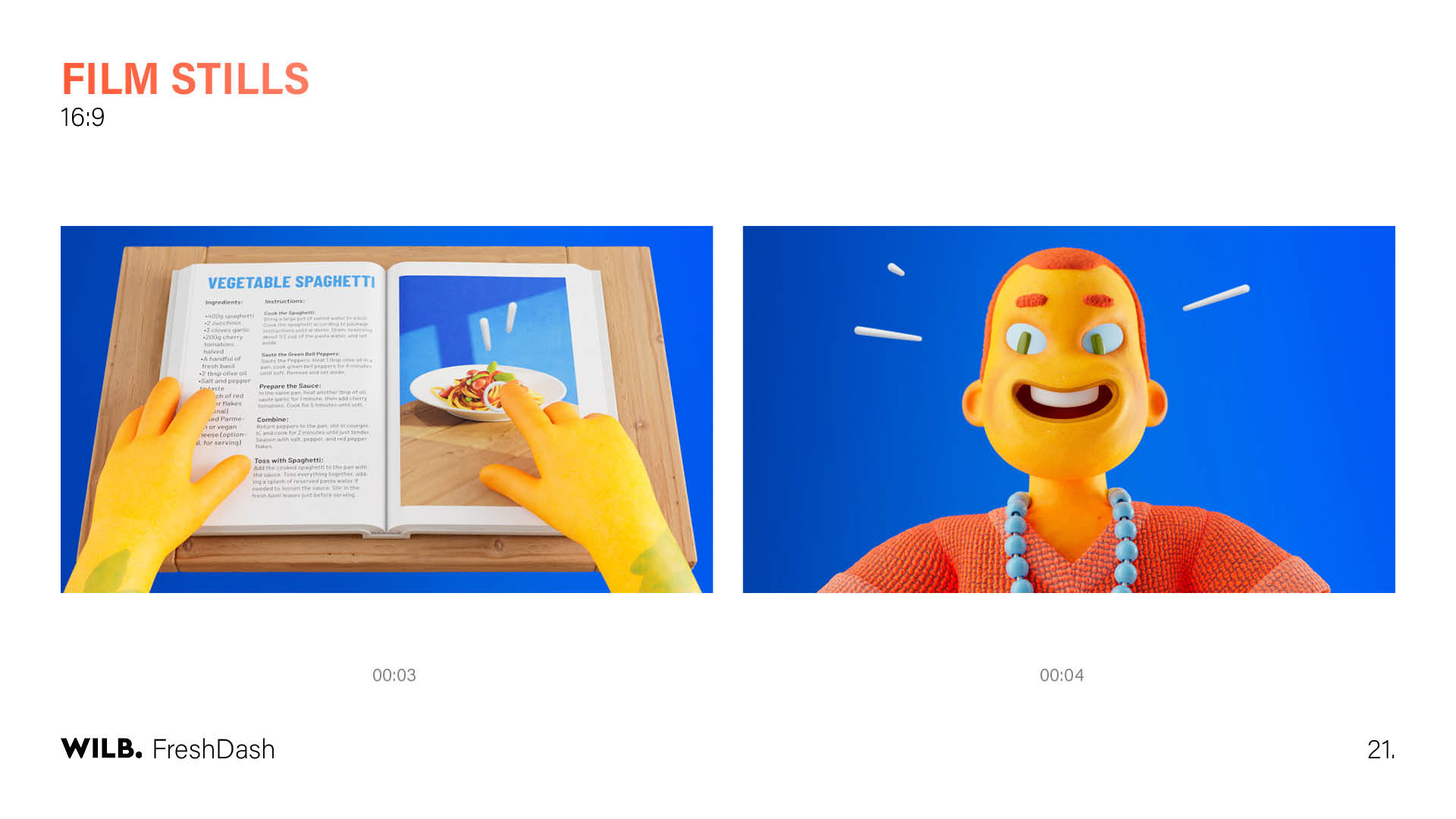
I developed a pitch deck early on, to create a clear vision of what I wanted and didn't want. I do this for most of my professional projects so I thought it would be suitable for this project as well. It came out really handy, it helped to have something to refer back to throughout the process. This built confidence in the final result and kept the vision of the project on track.
Curious to see what a deck like that looks like?
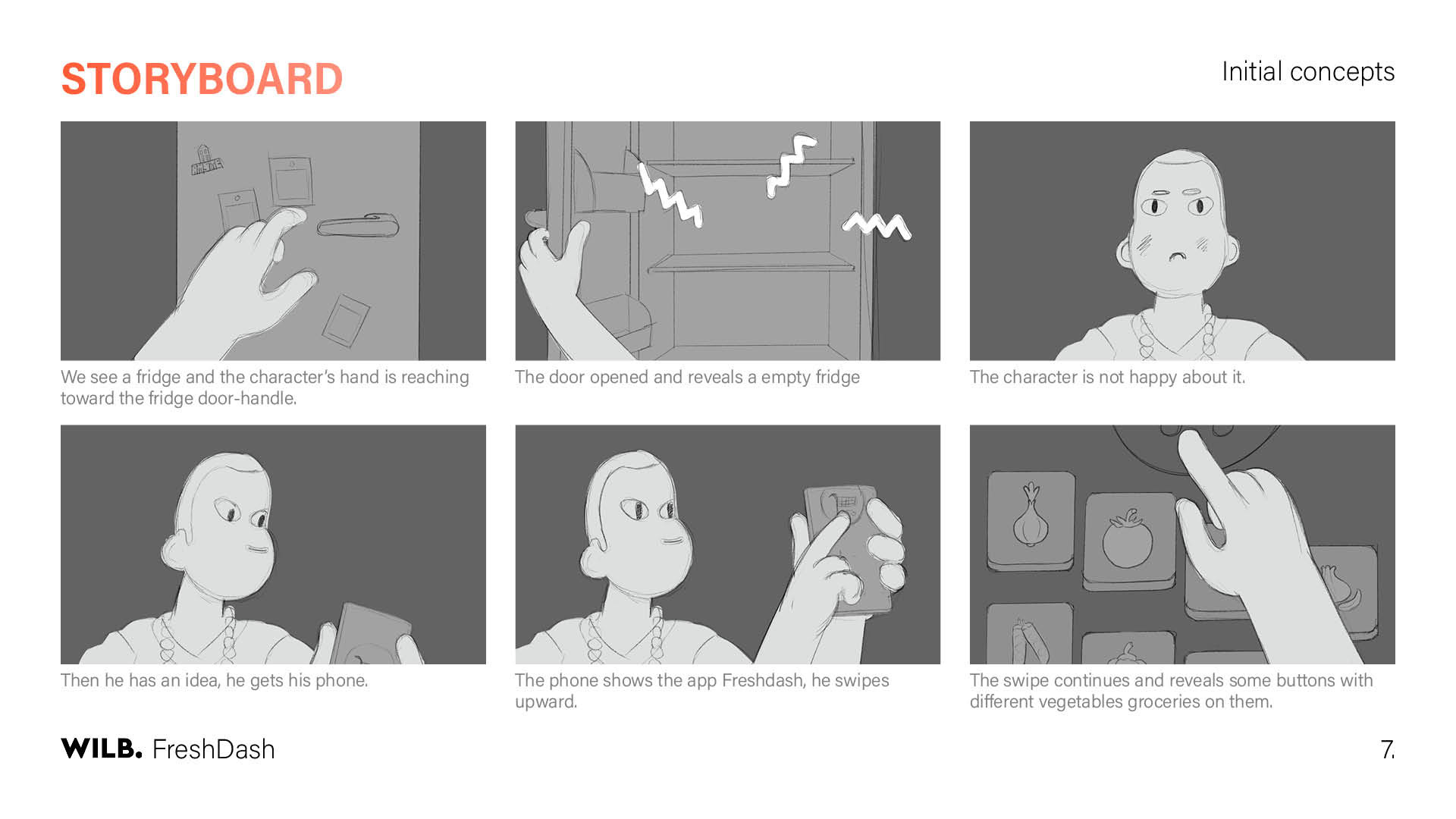
The Storyboard
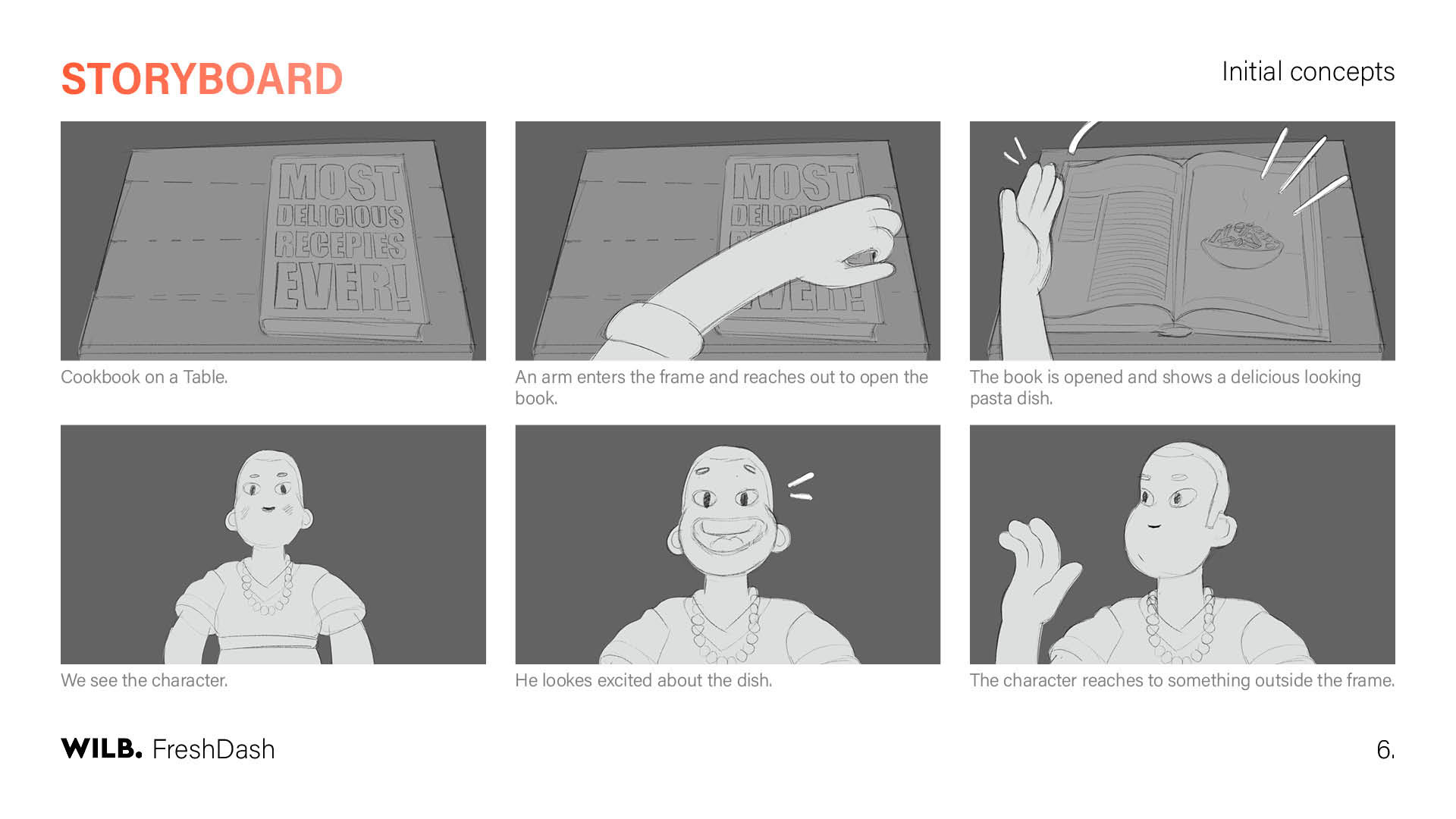
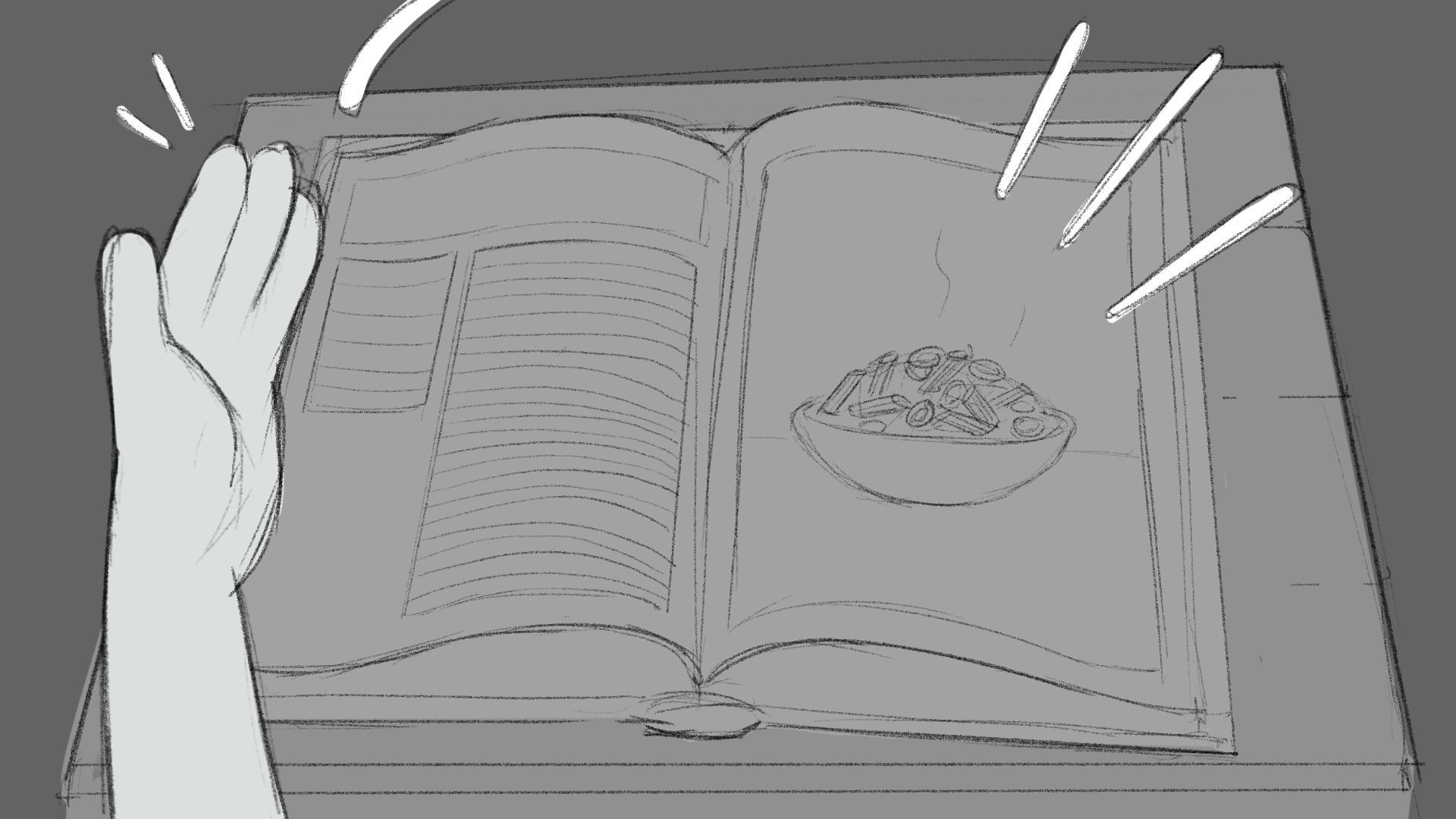
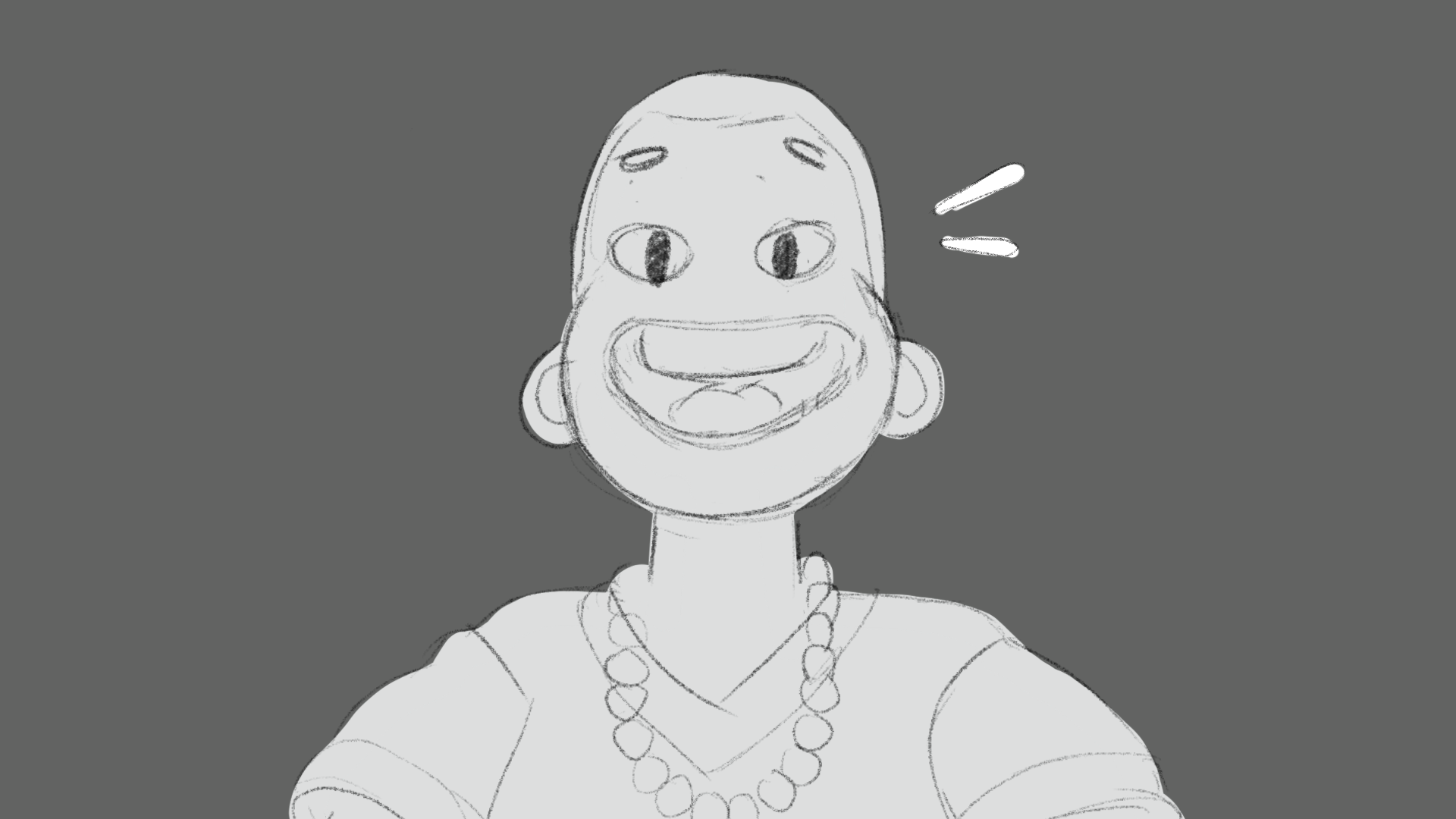
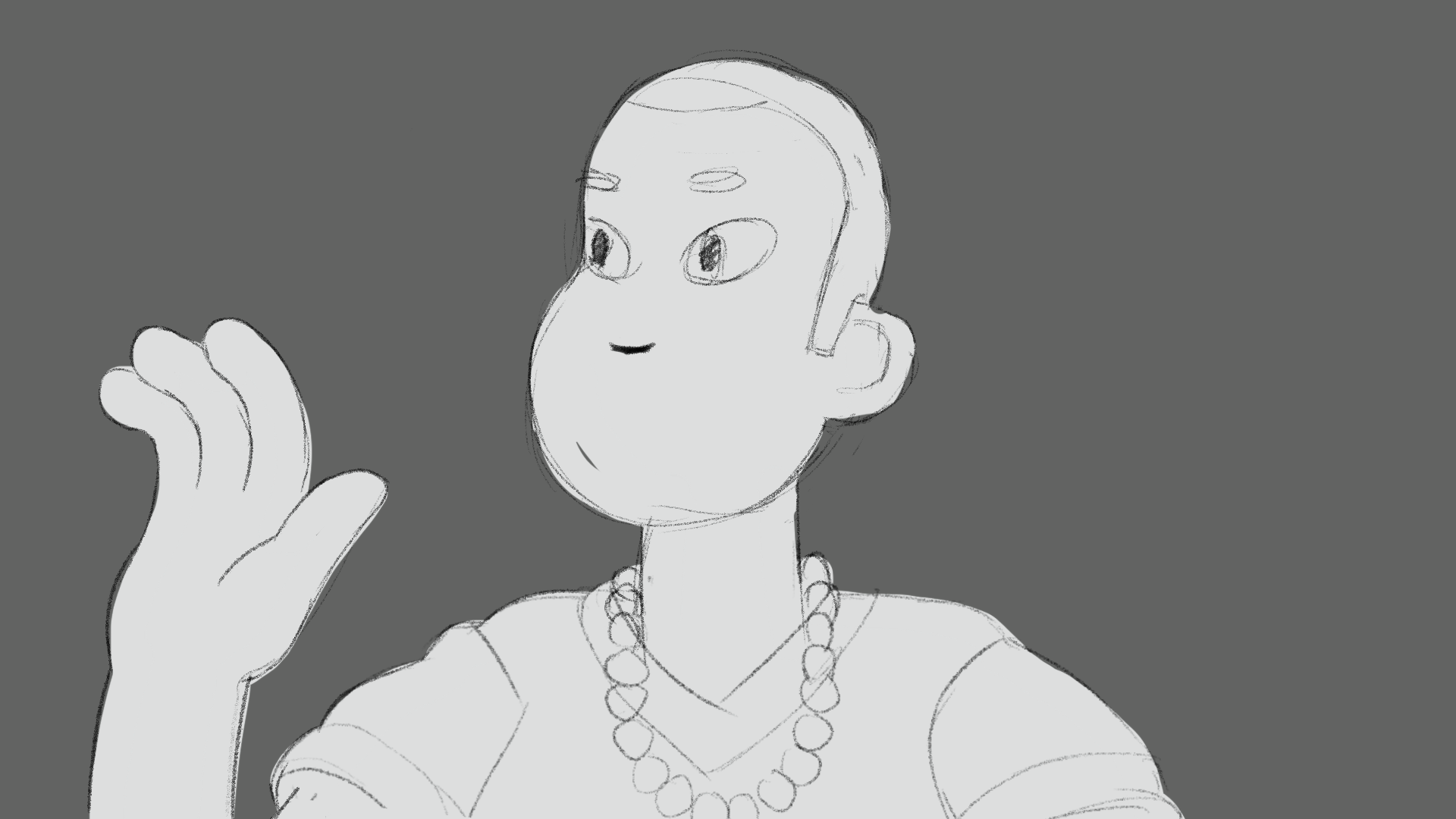
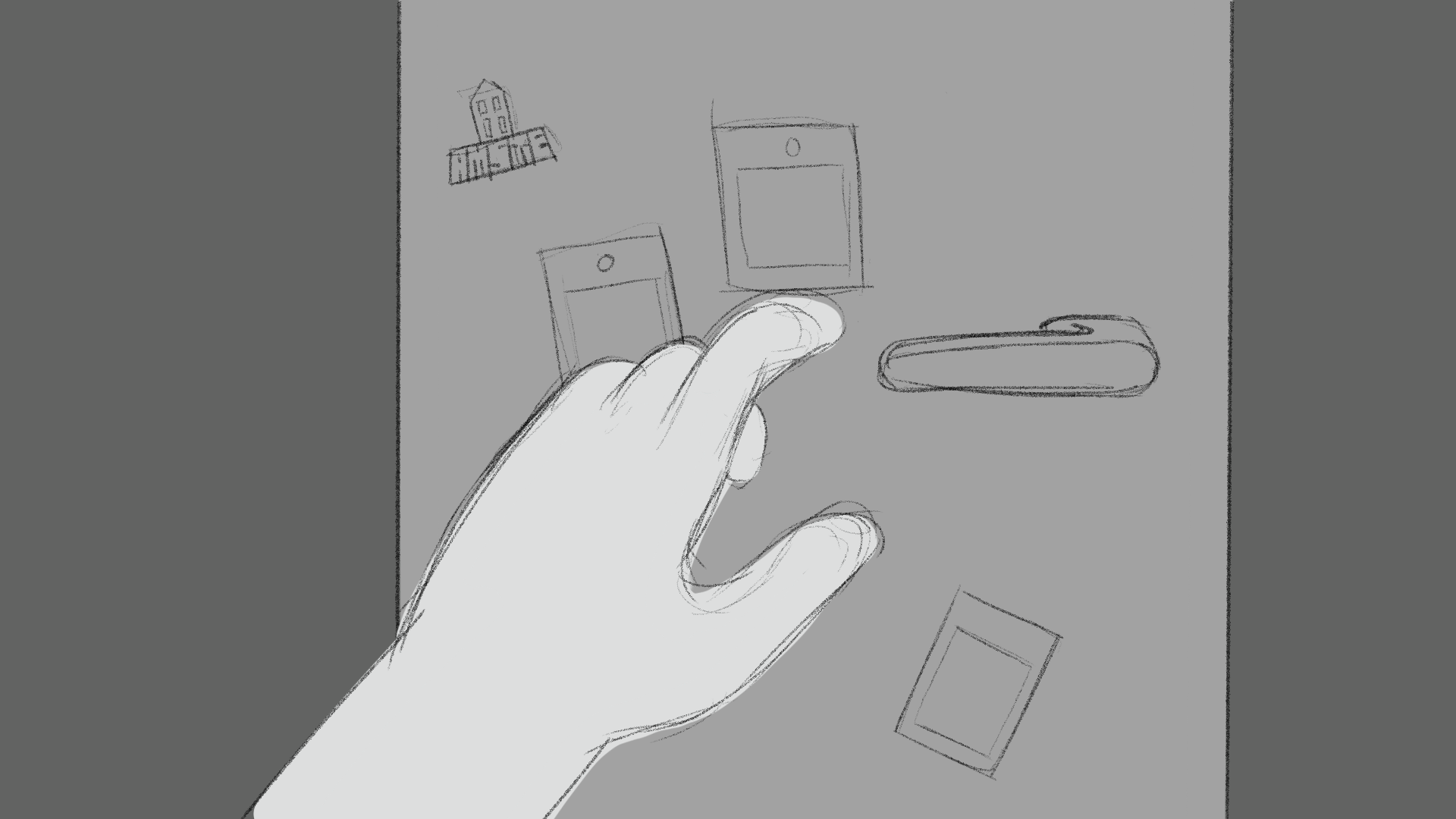
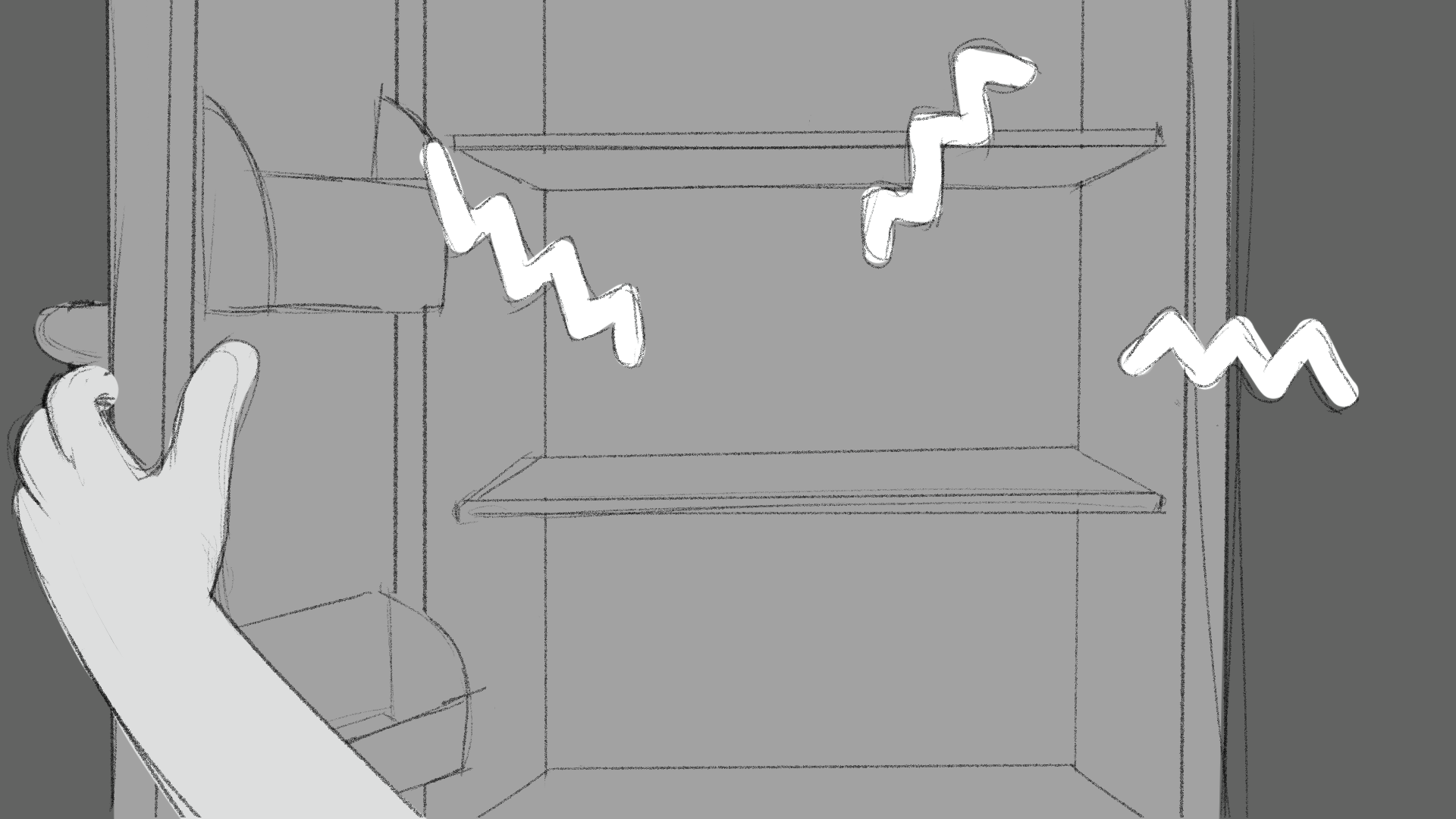
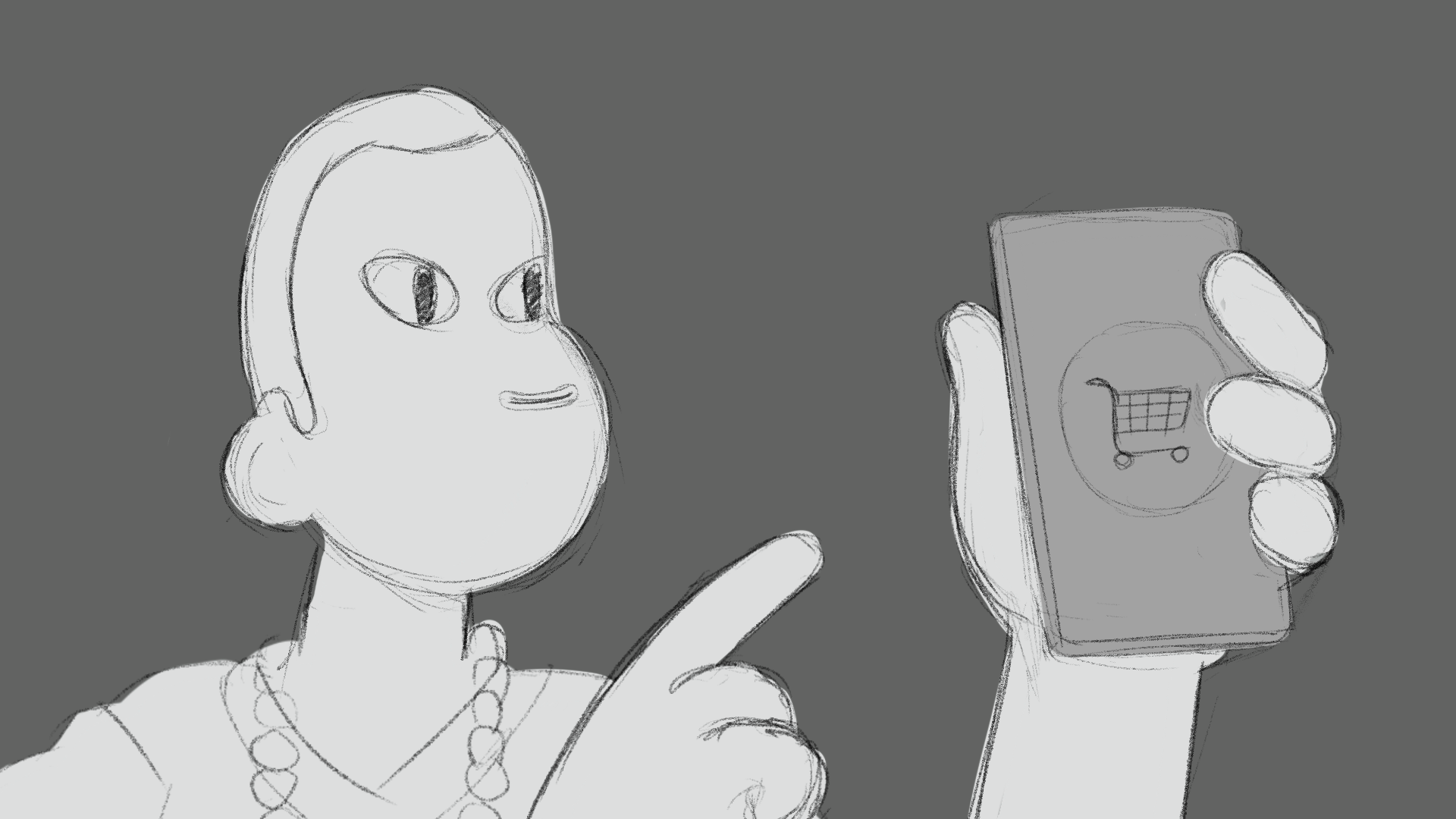
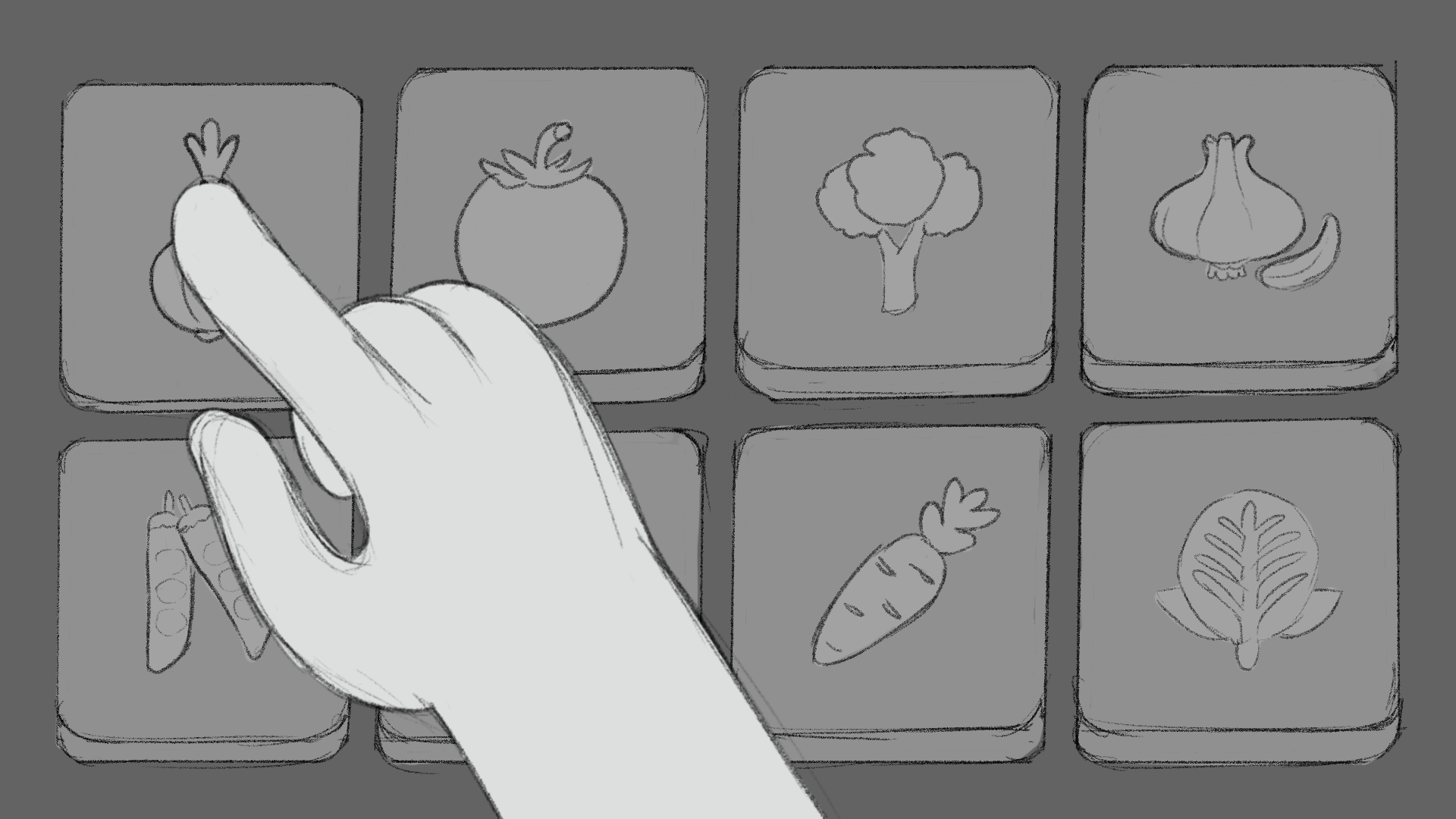
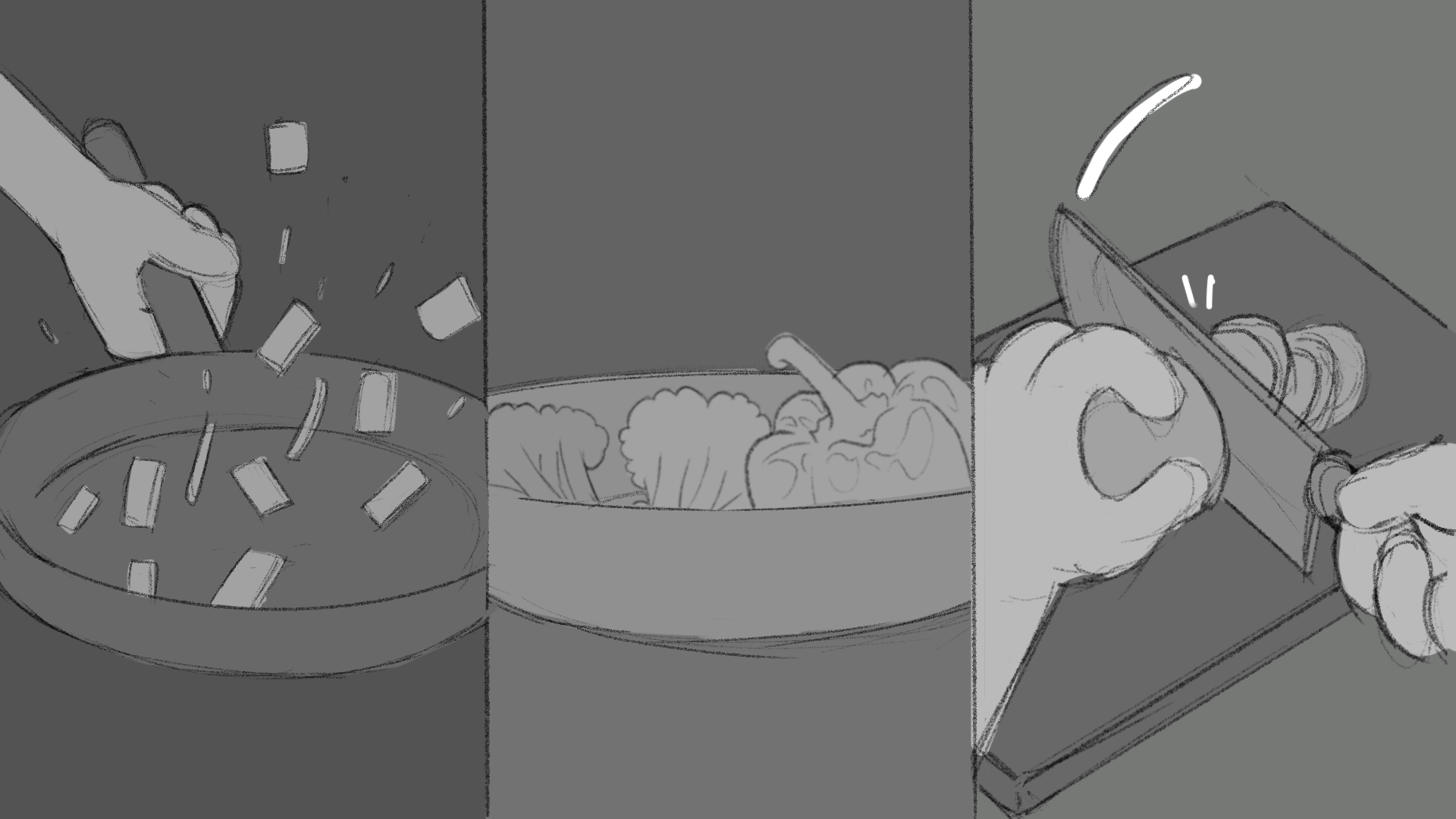
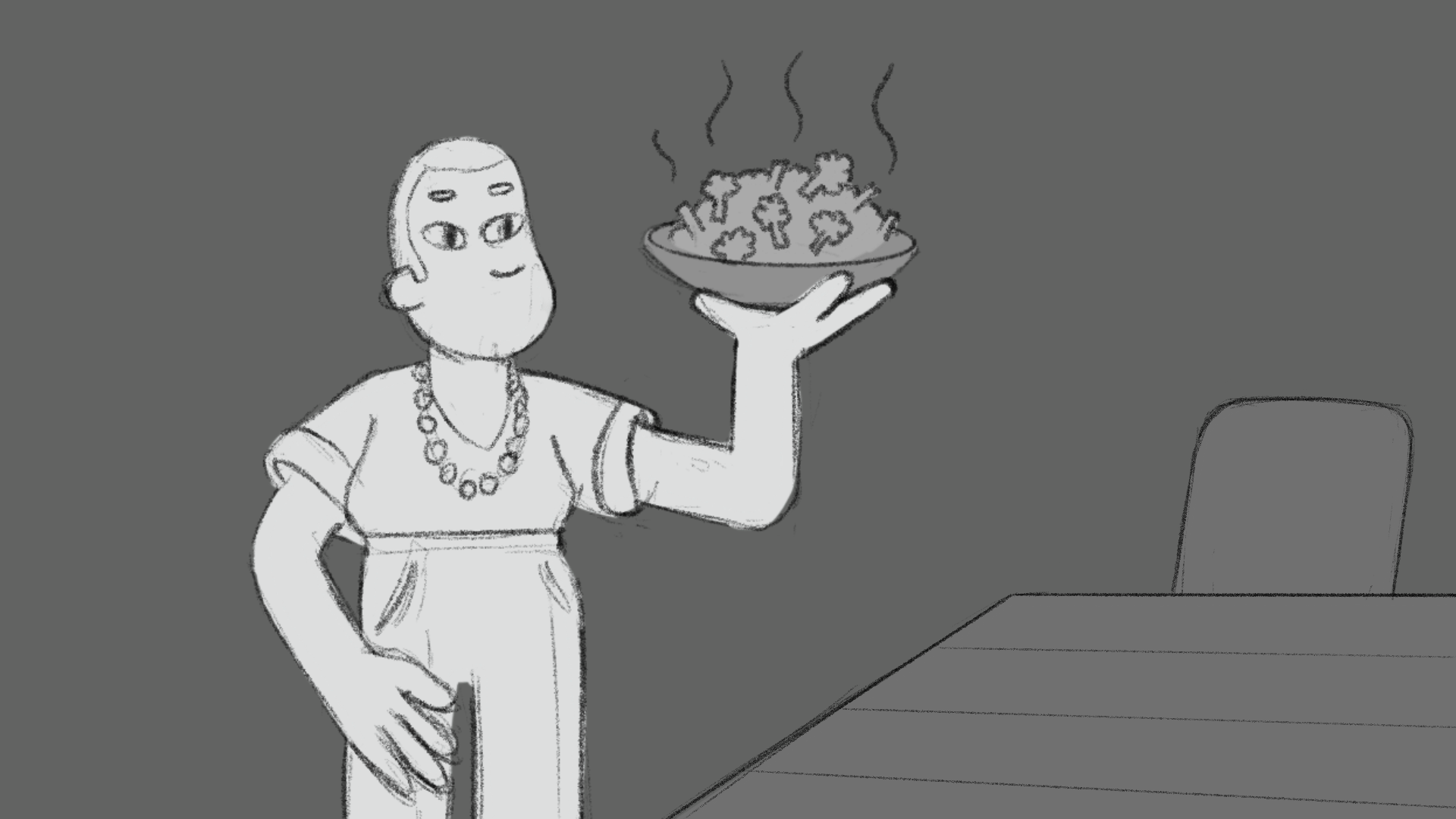
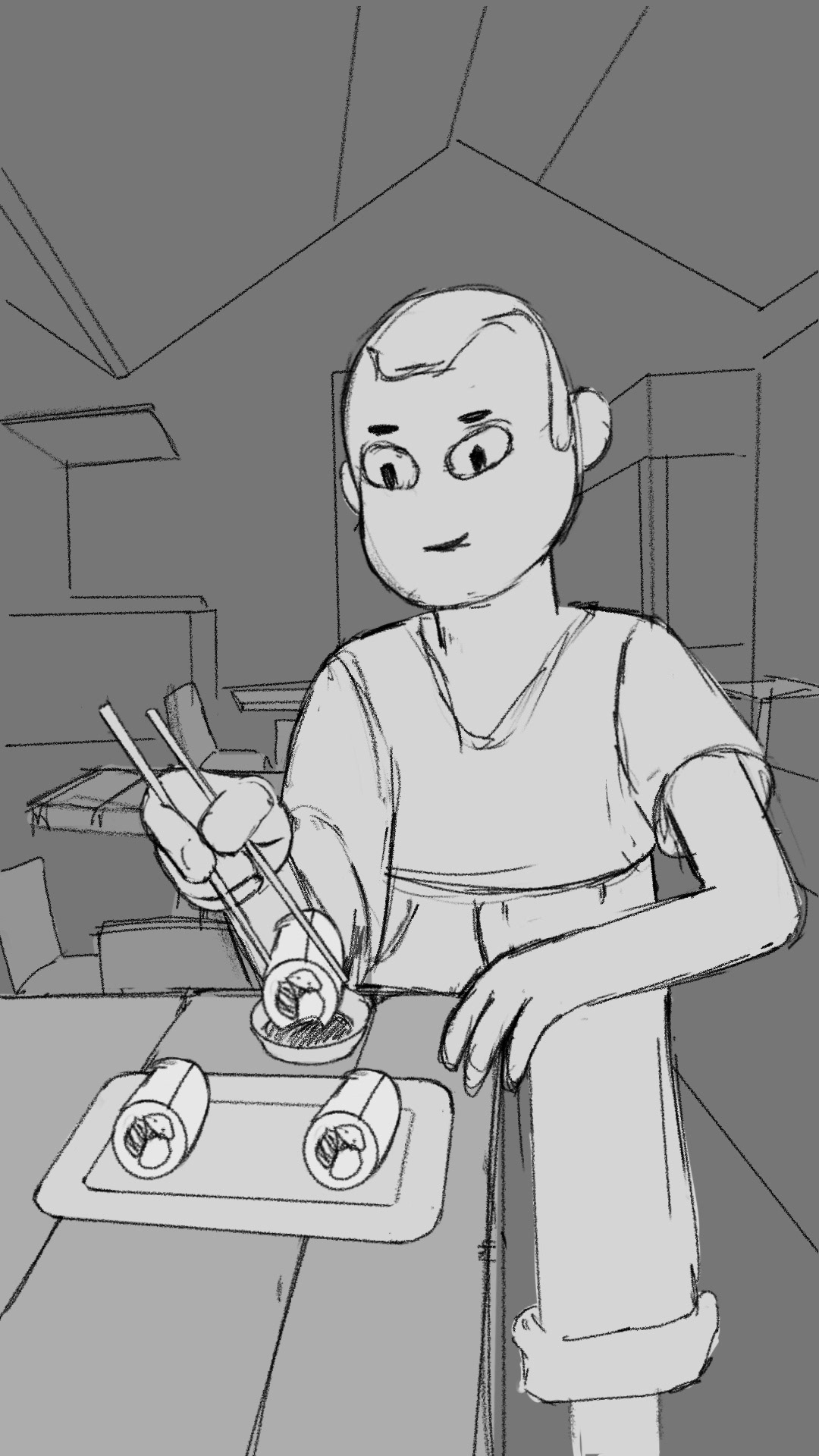
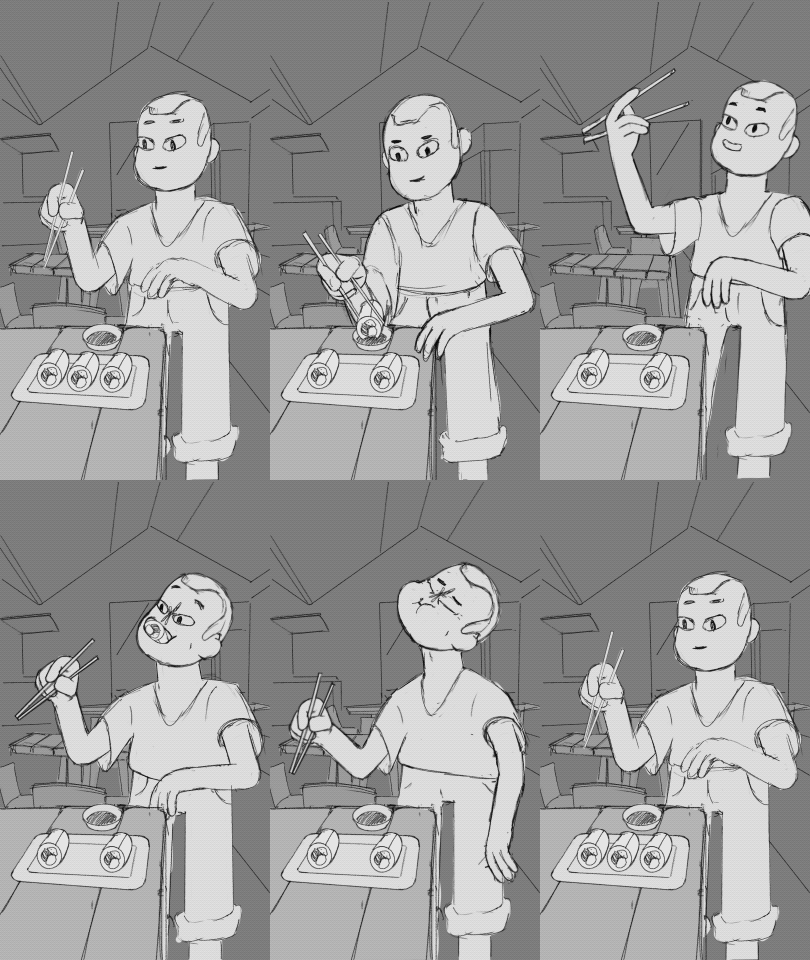
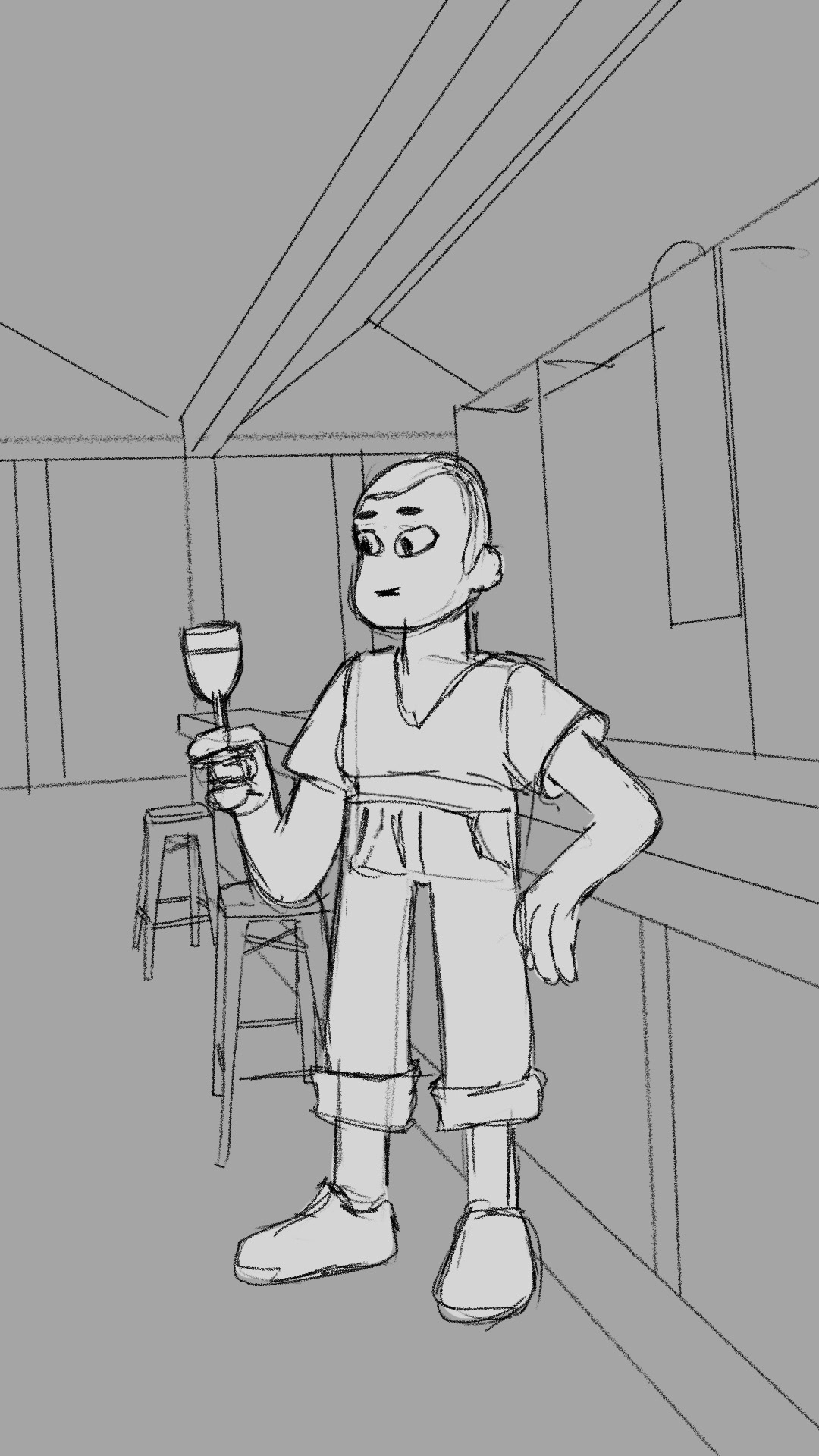
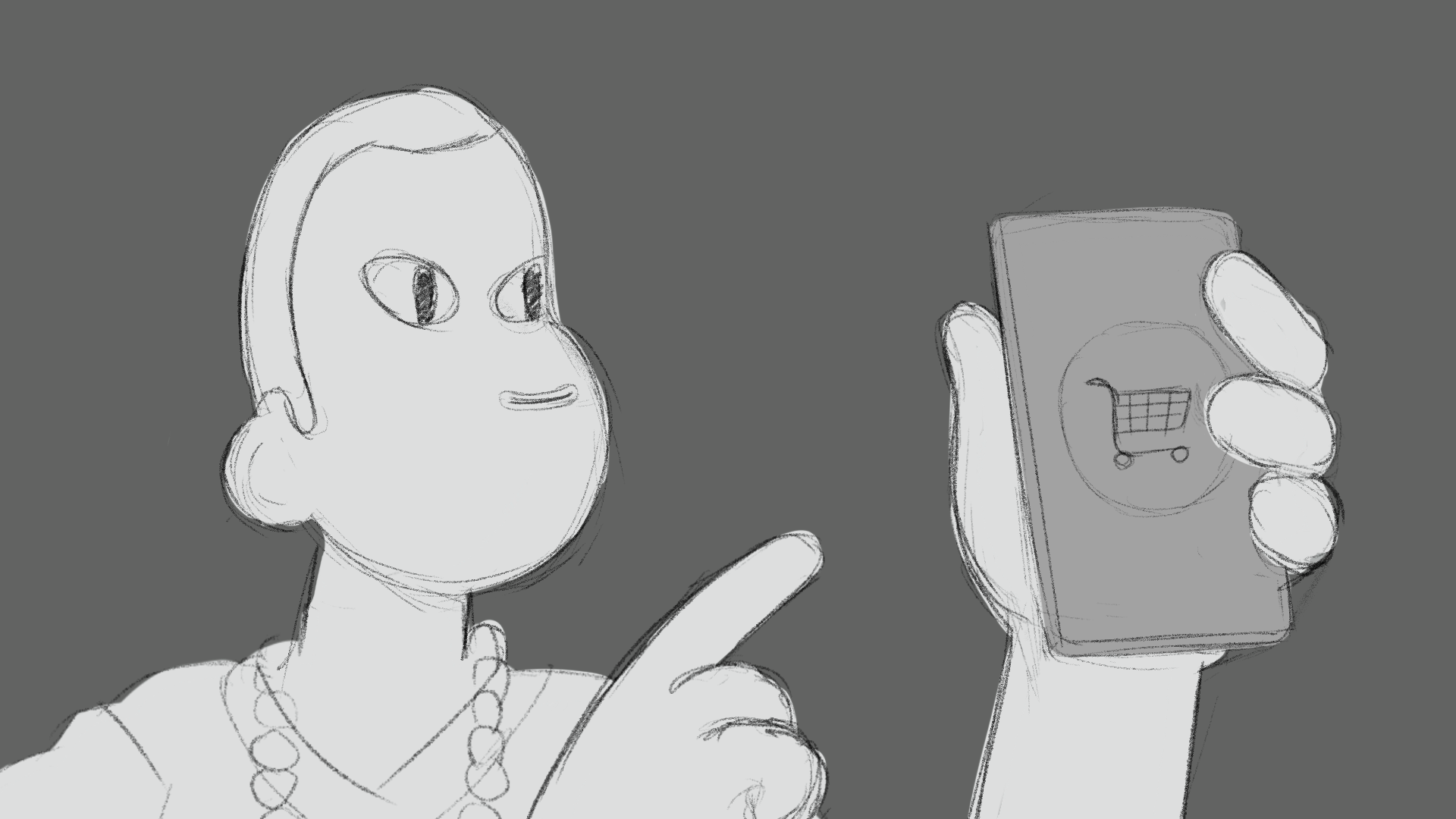
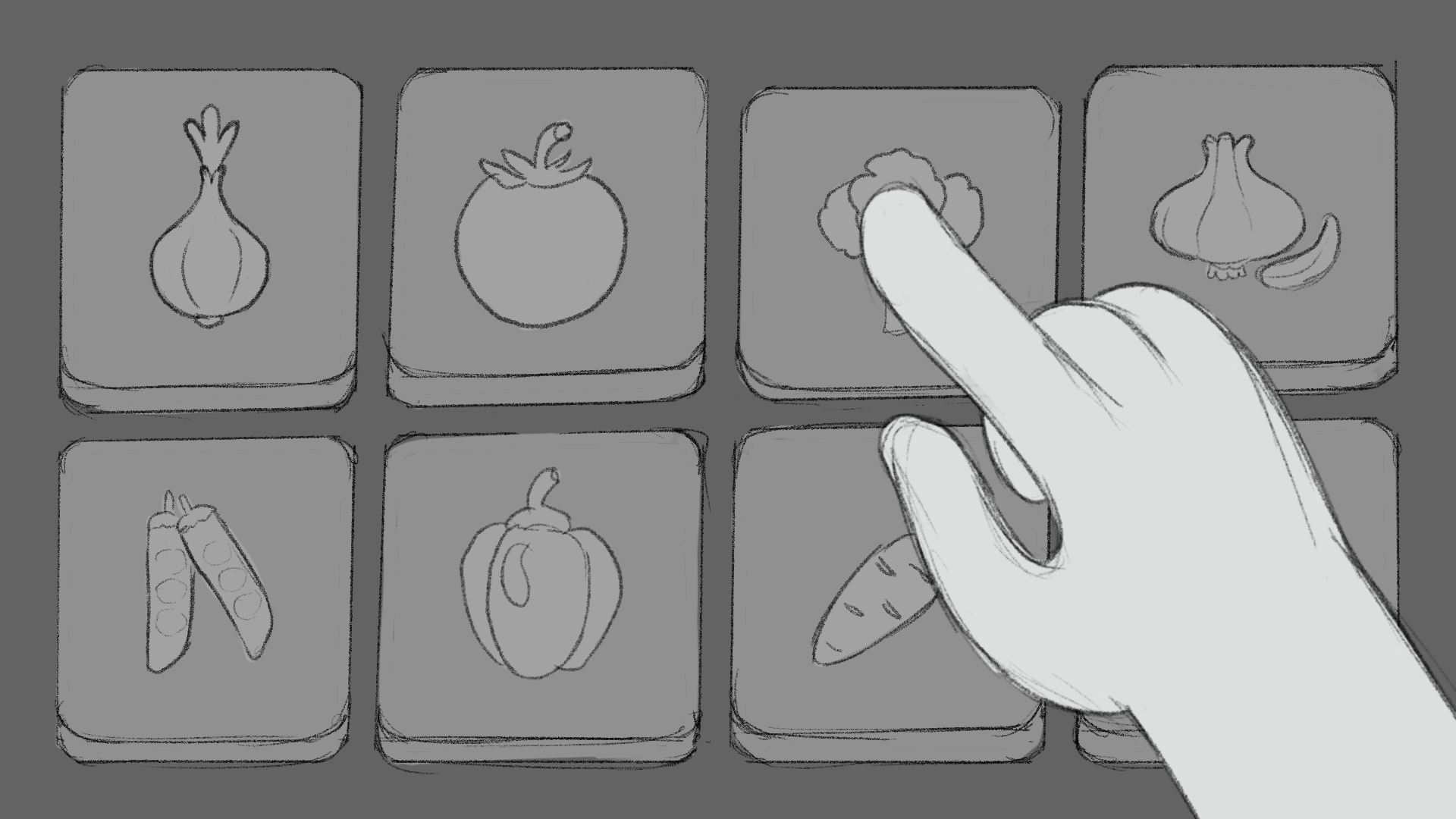
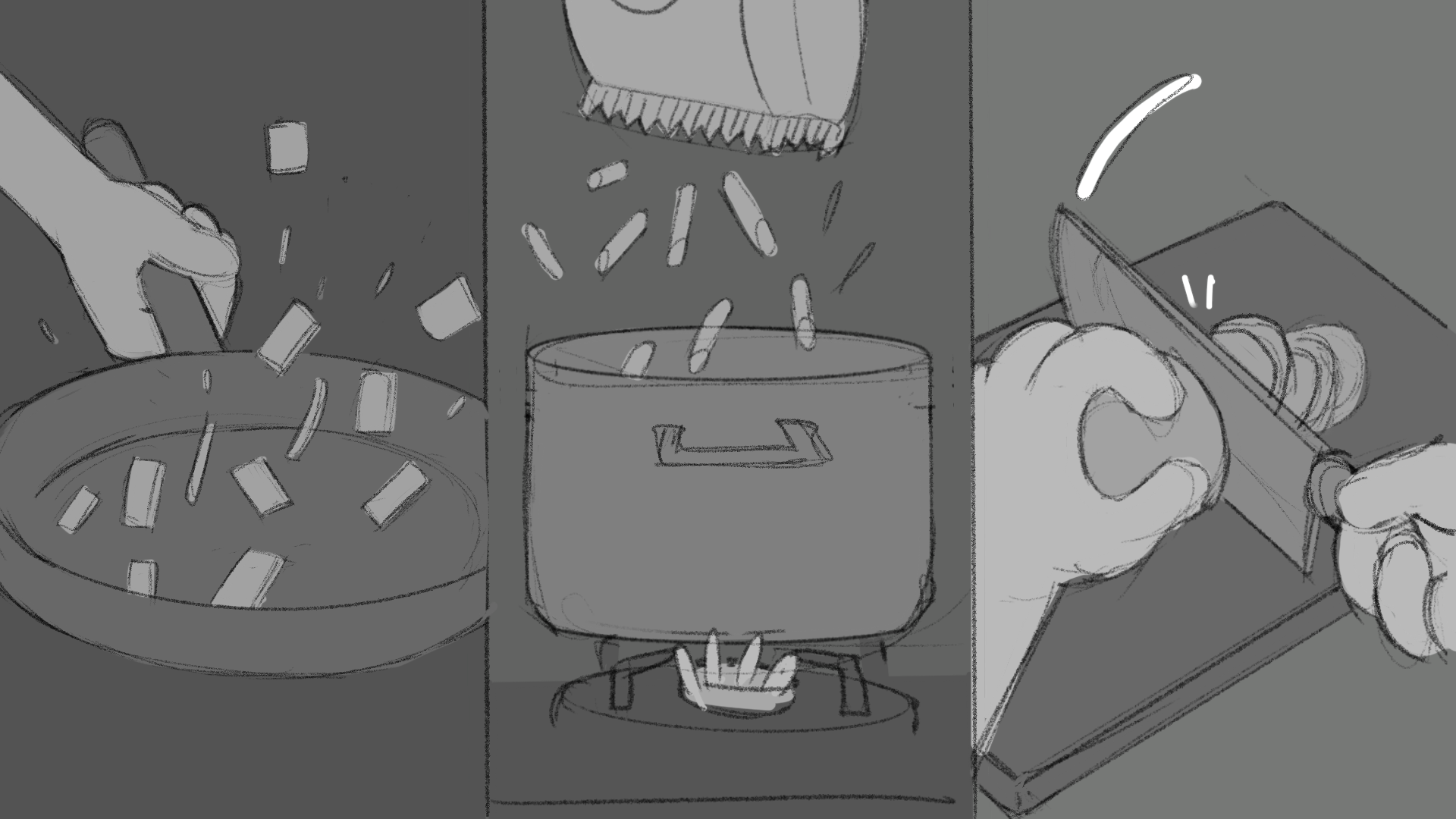
To ensure the story would work, I thumbnailed and then storyboarded the most important story beats, making it clear what the project would look like and how it would play out.
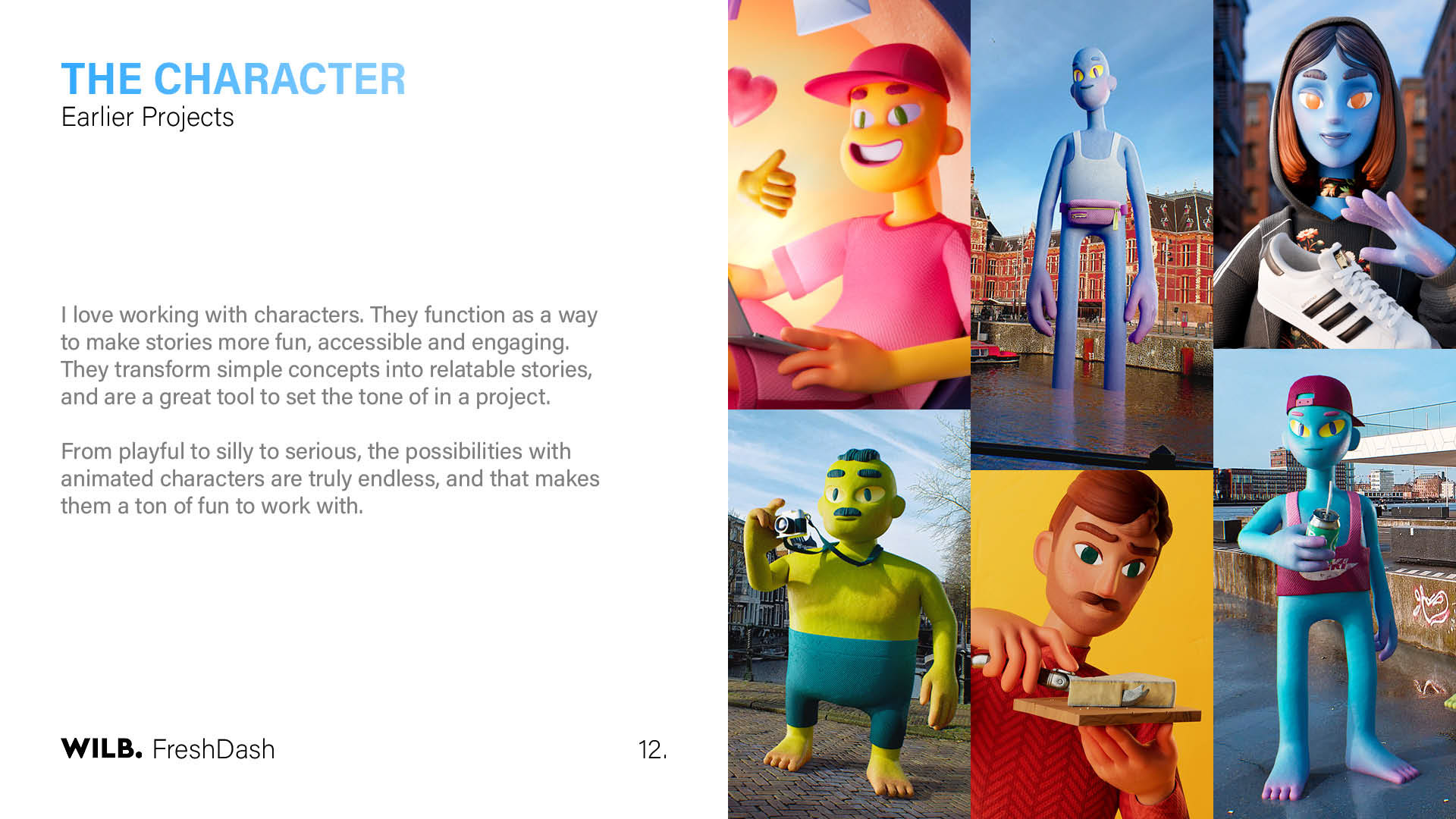
The Character
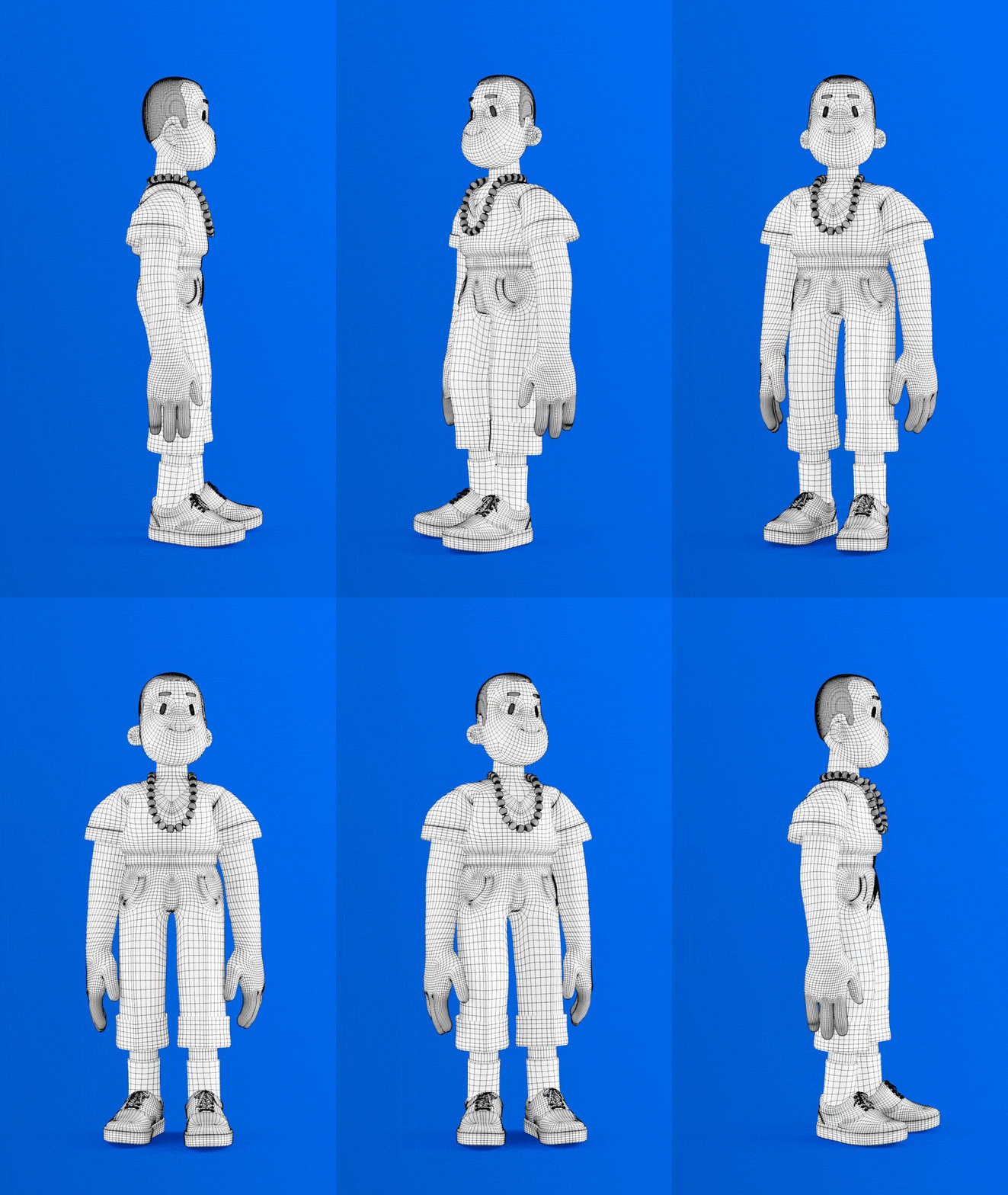
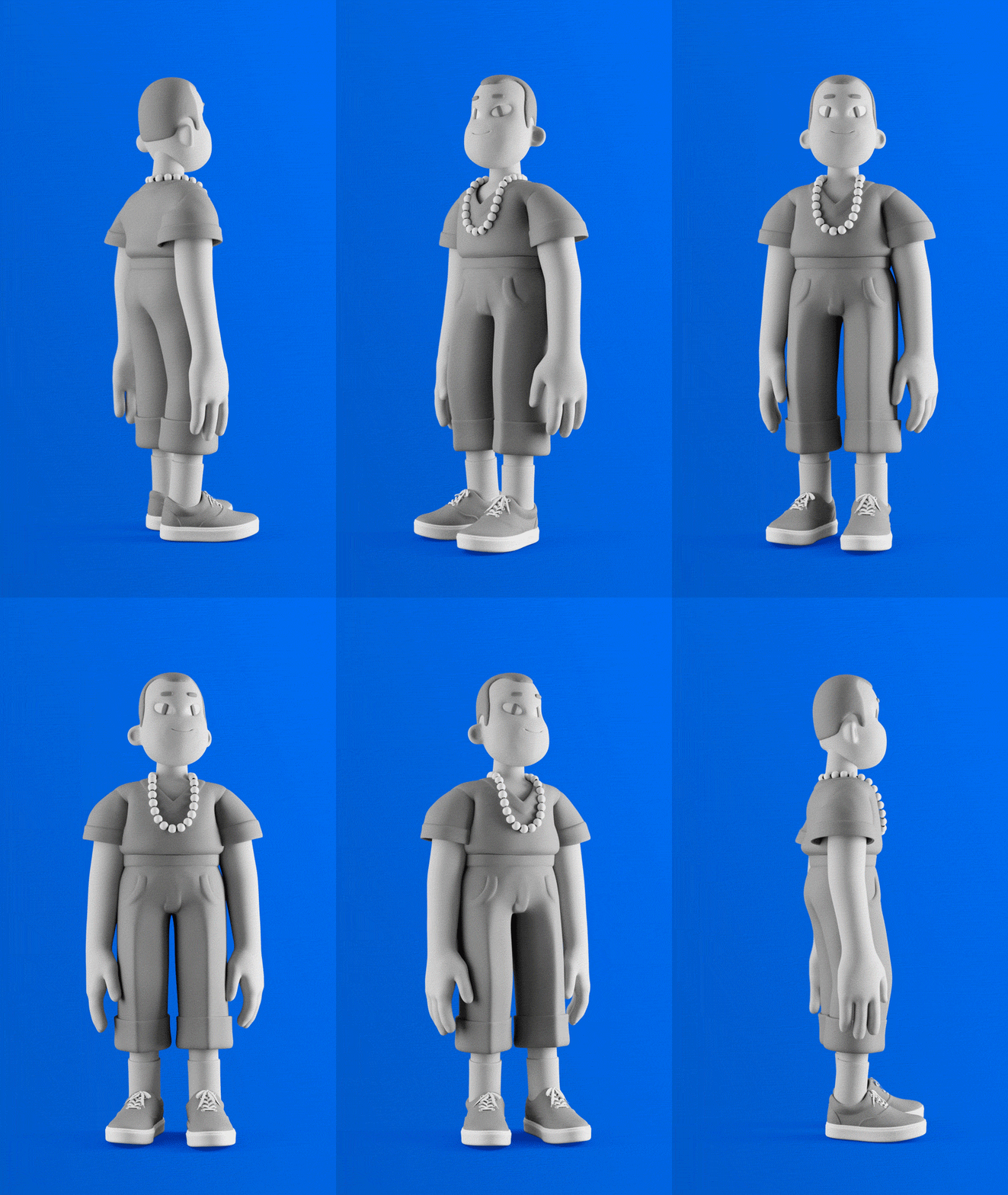
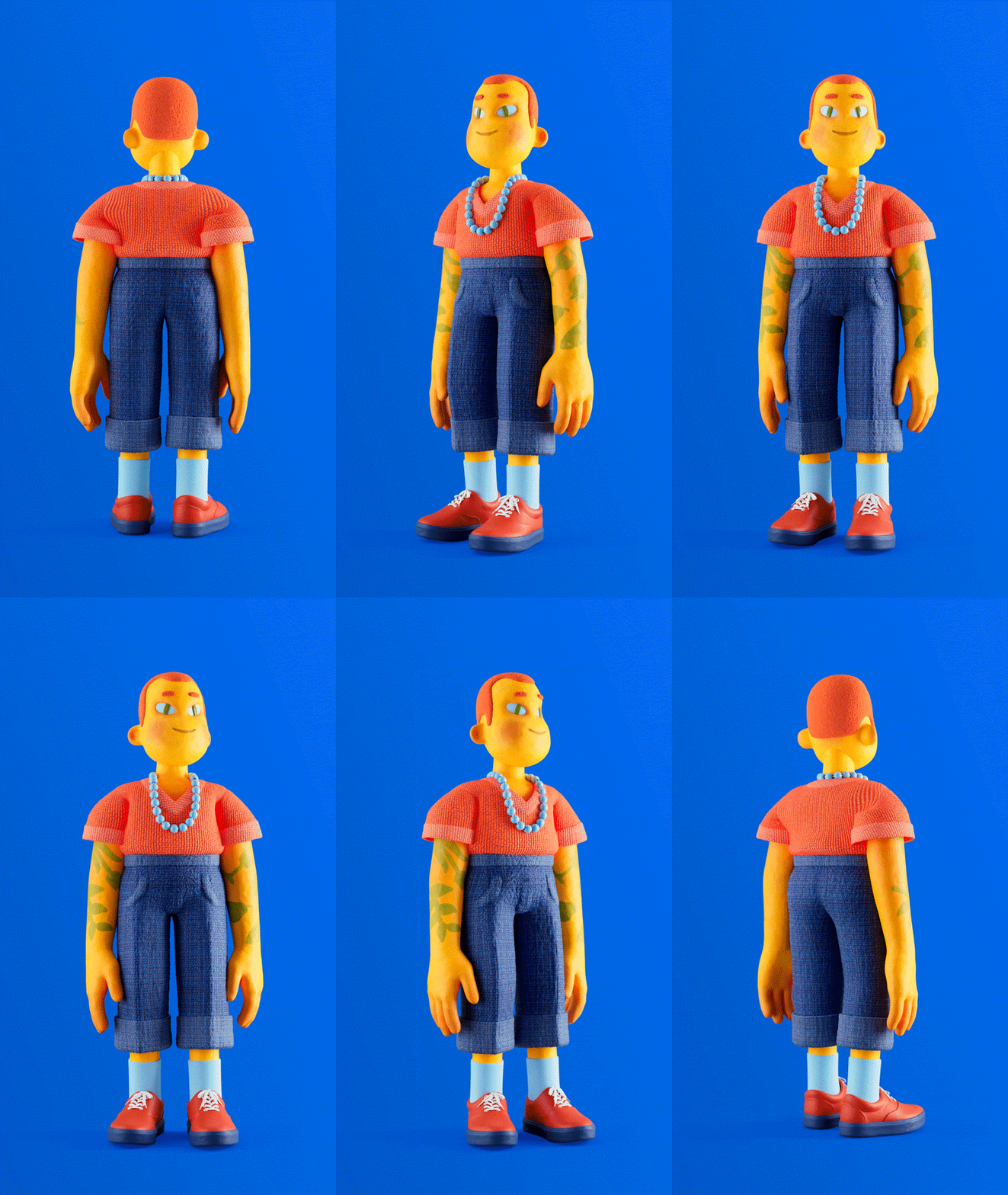
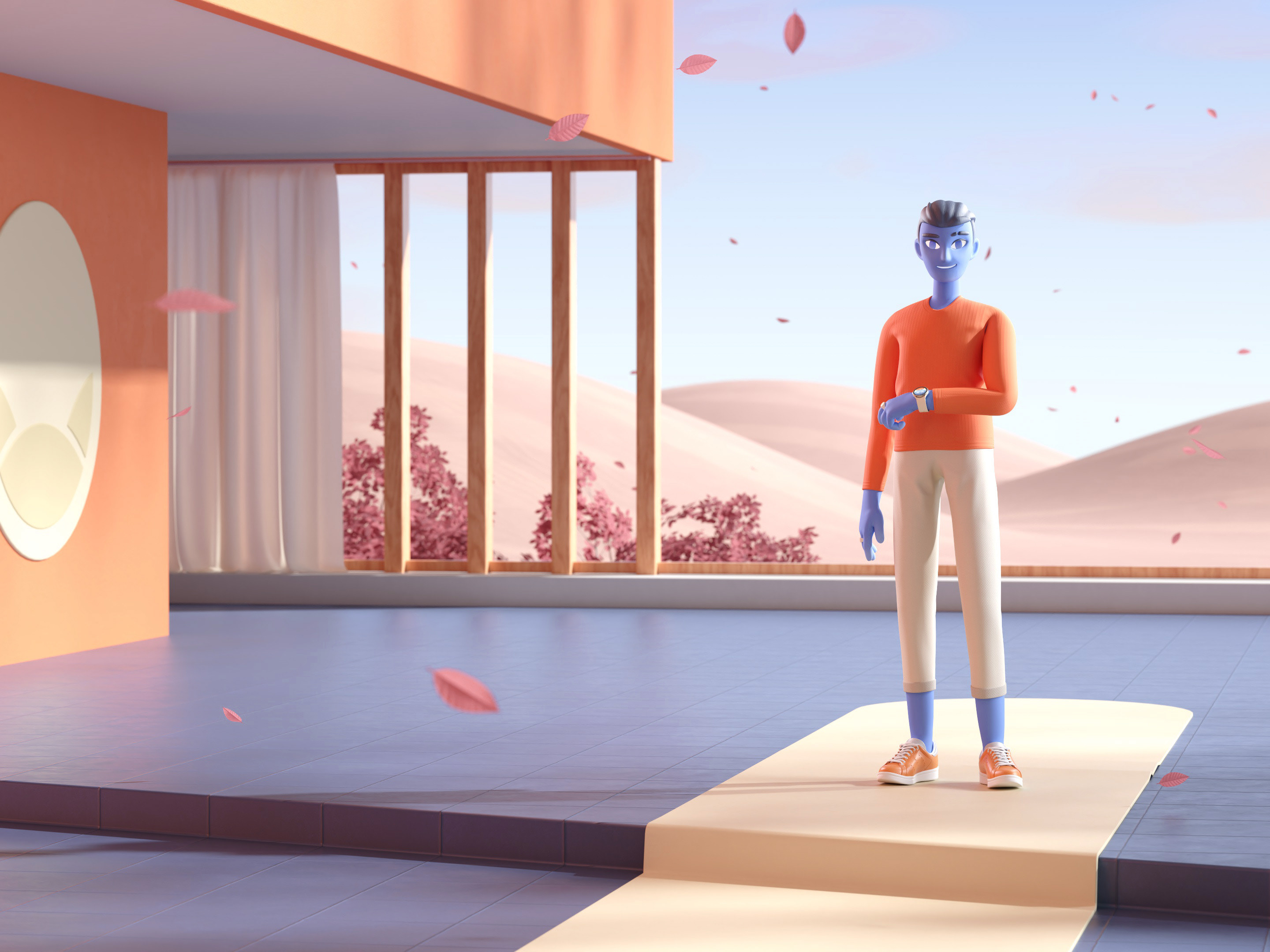
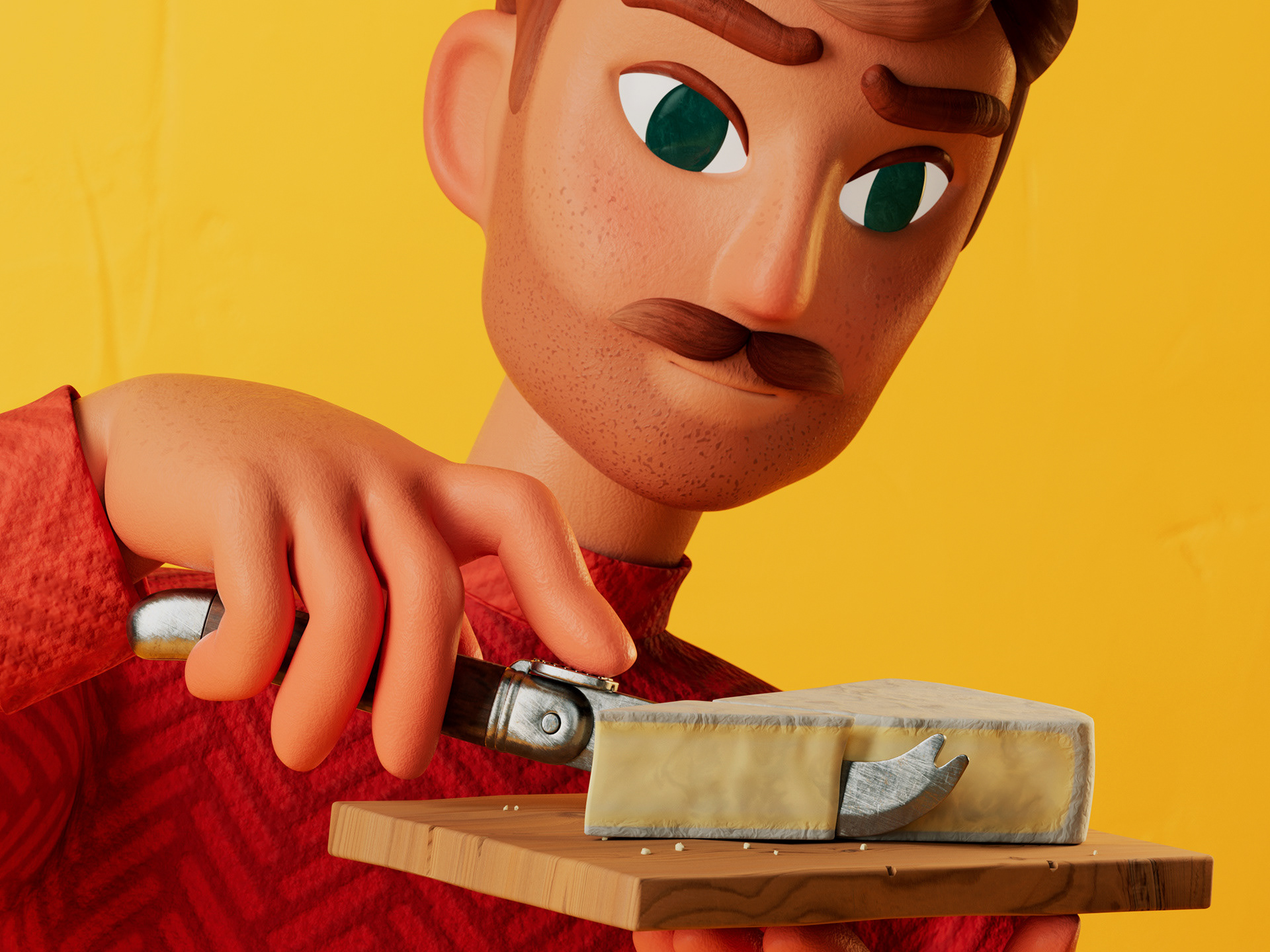
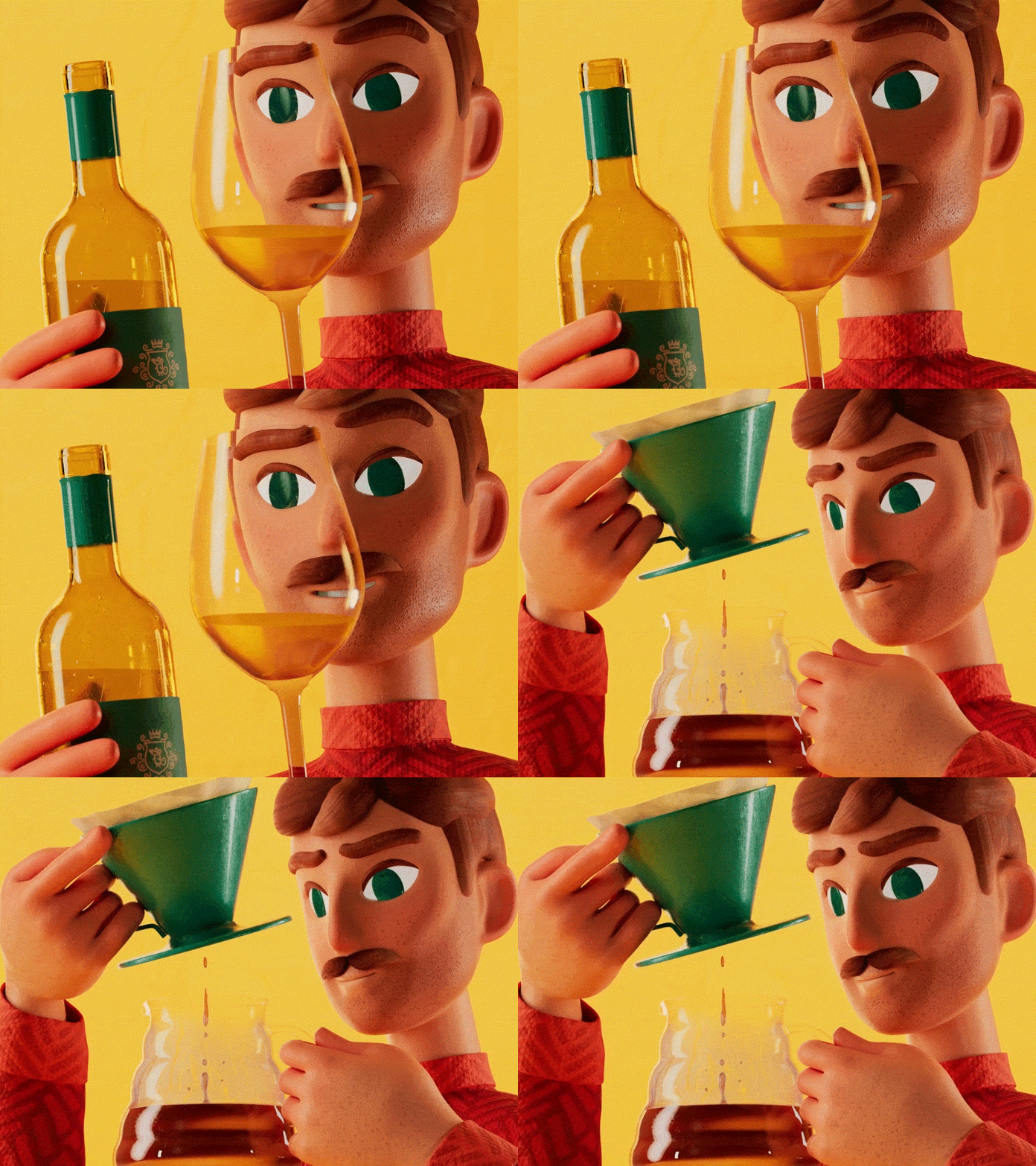
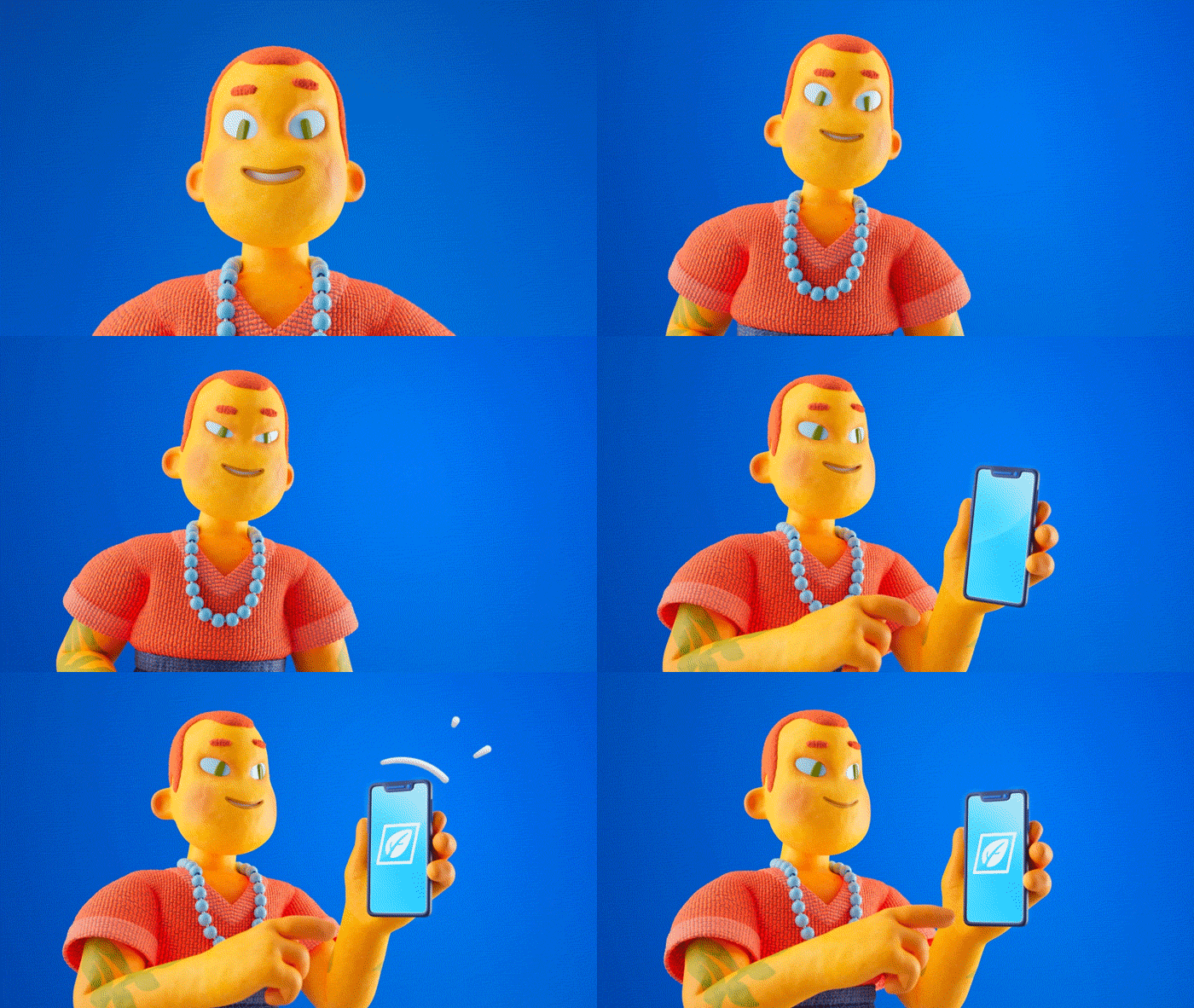
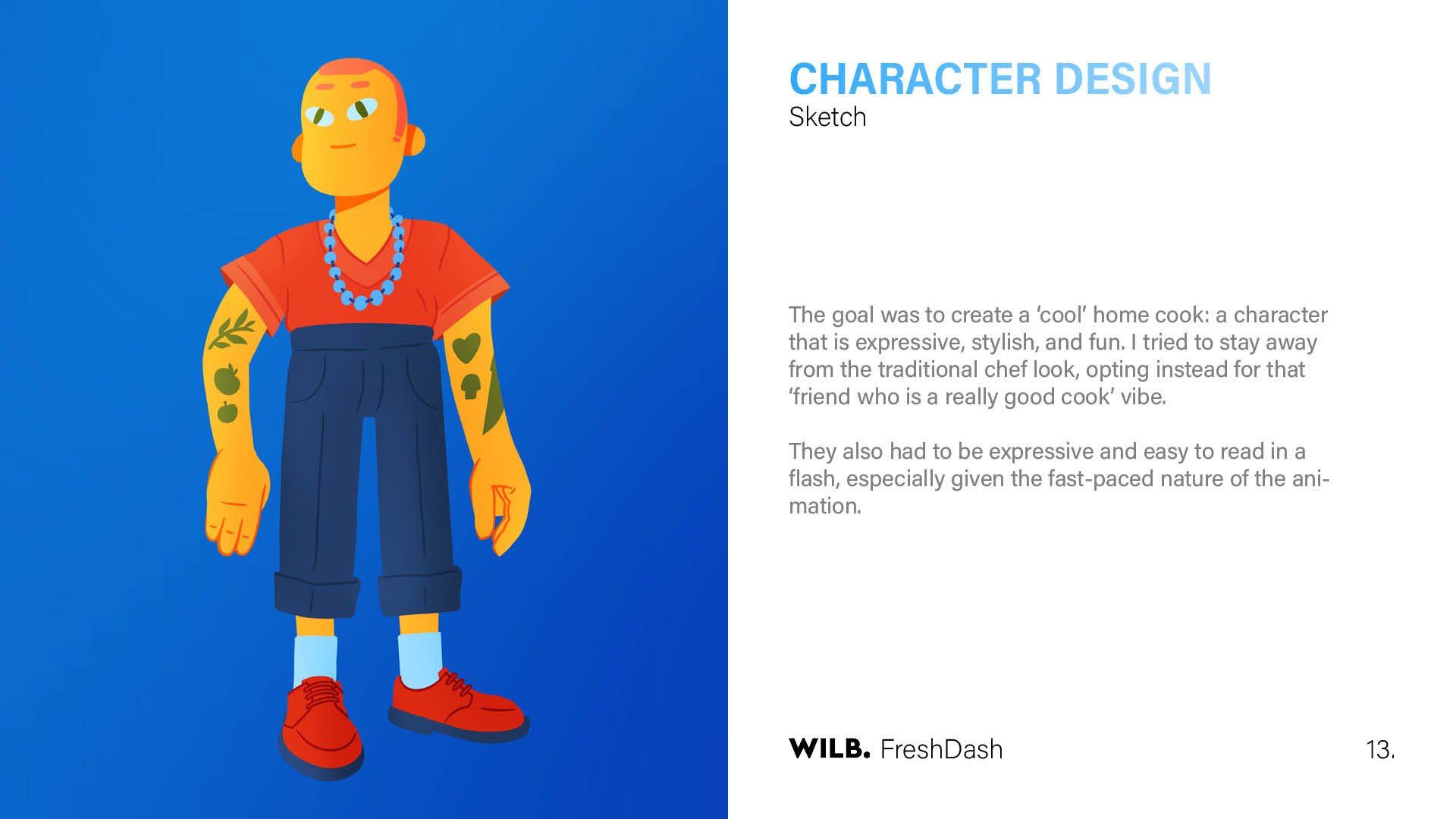
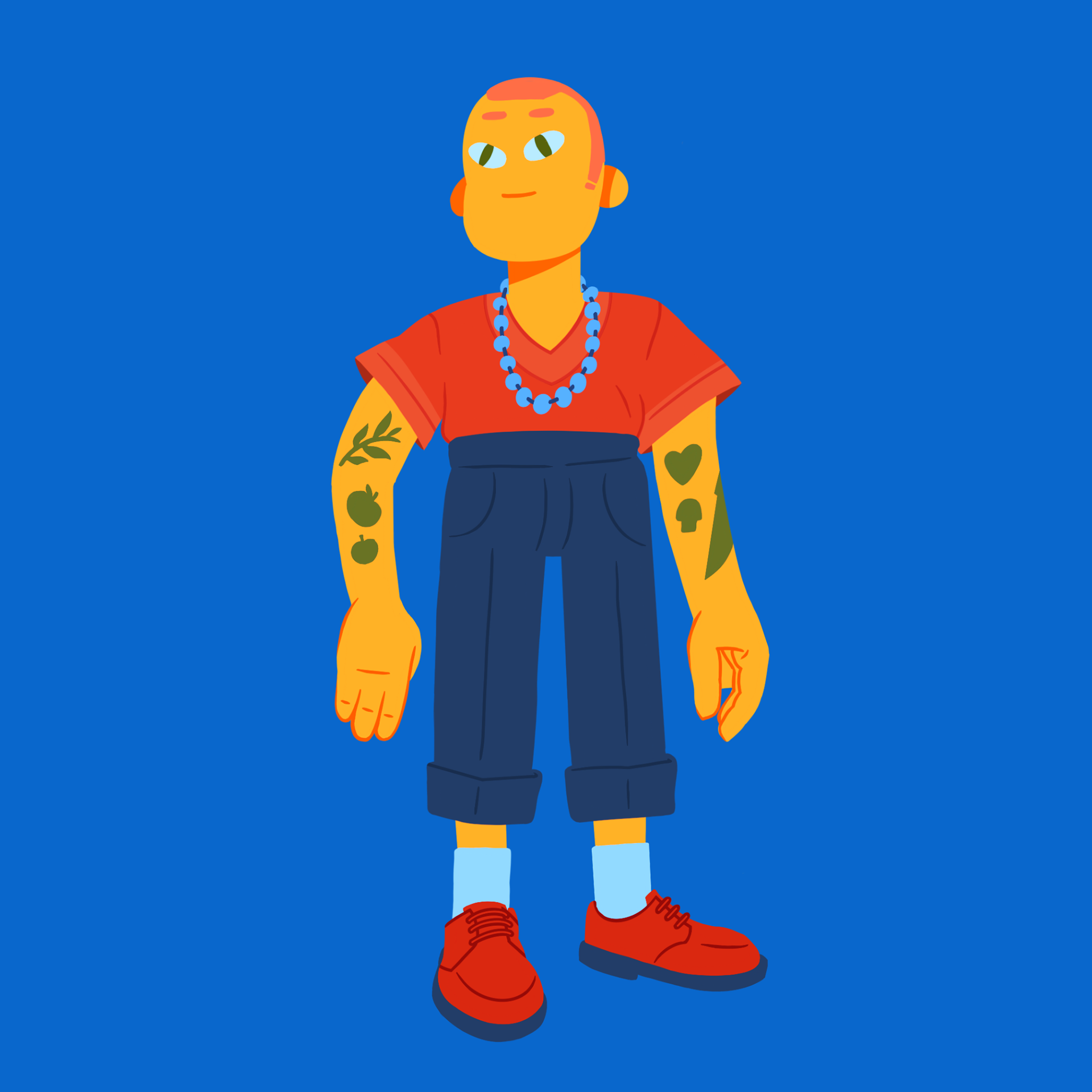
The goal was to create a ‘cool’ home cook: a character that is expressive, stylish, and fun. I tried to stay away from the traditional chef look, opting instead for that ‘friend who is a really good cook’ vibe.
They also had to be expressive and easy to read in a flash, especially given the fast-paced nature of the animation.
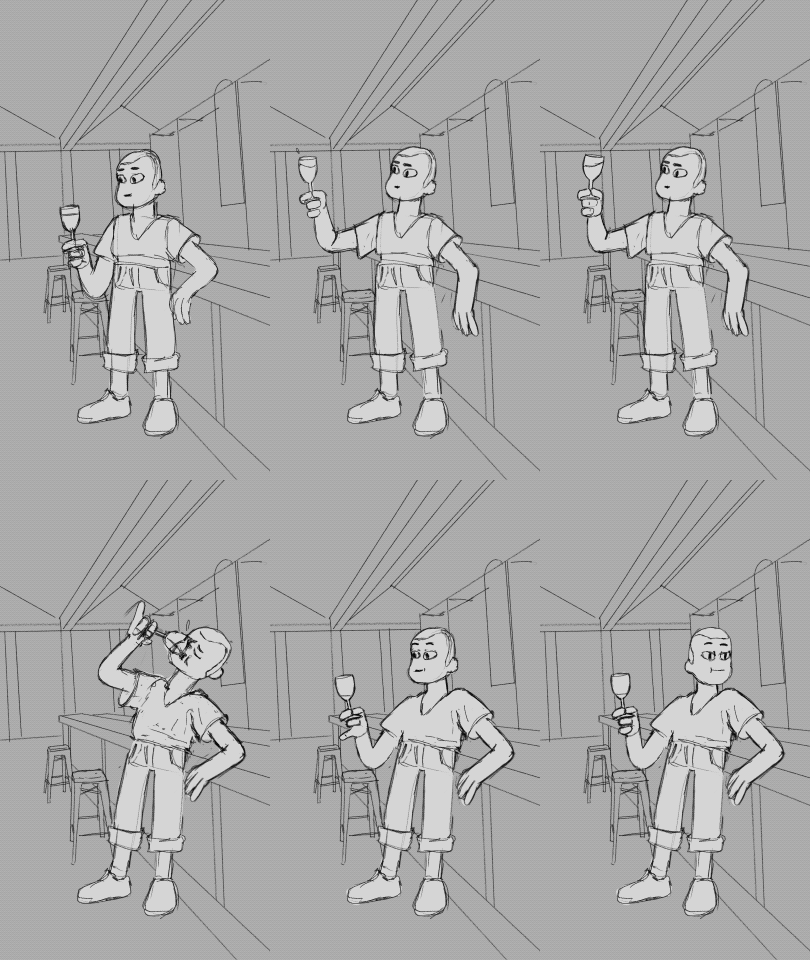
Some initial character sketches and animation tests
The illustrated design of the character
The Design
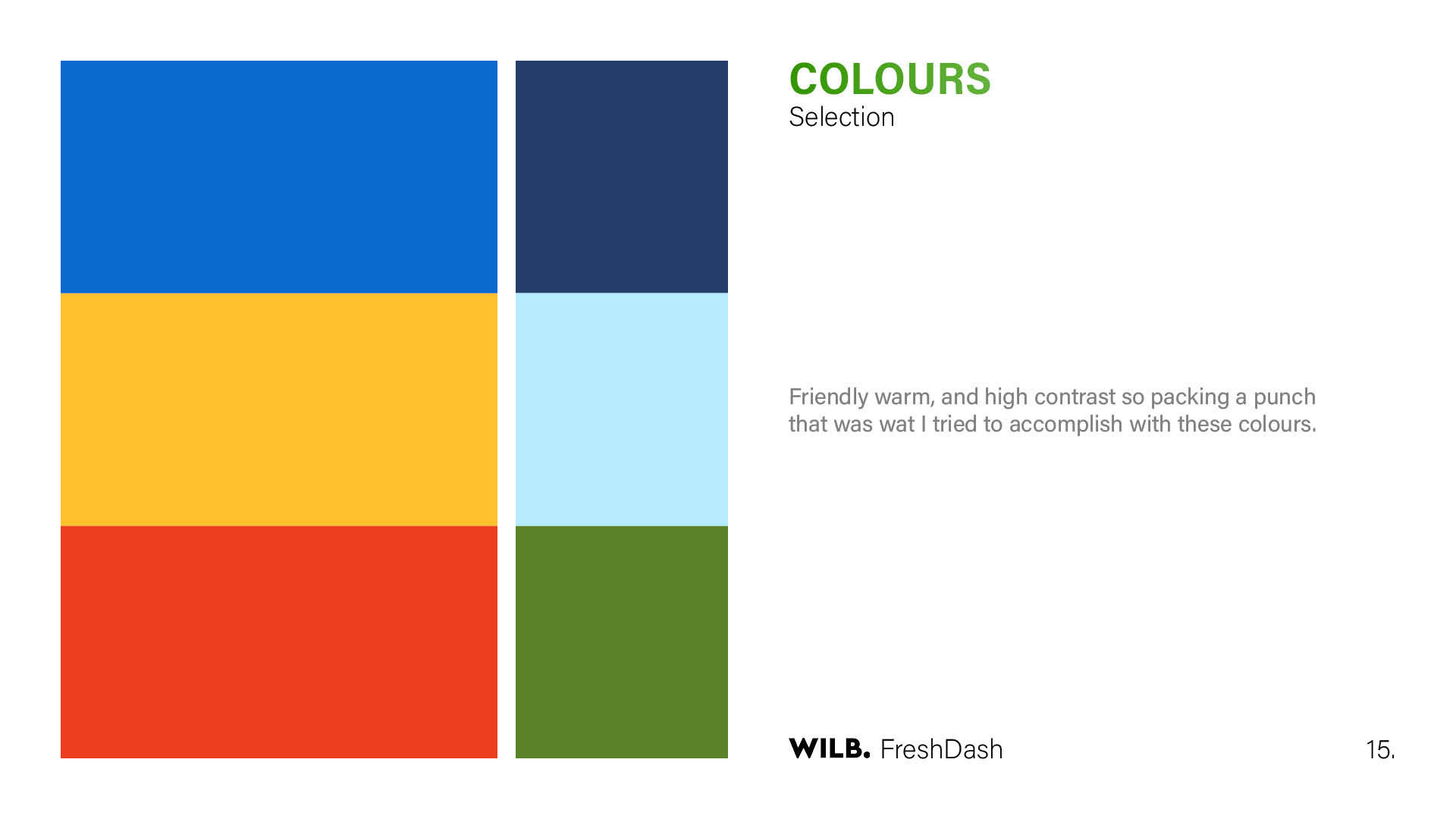
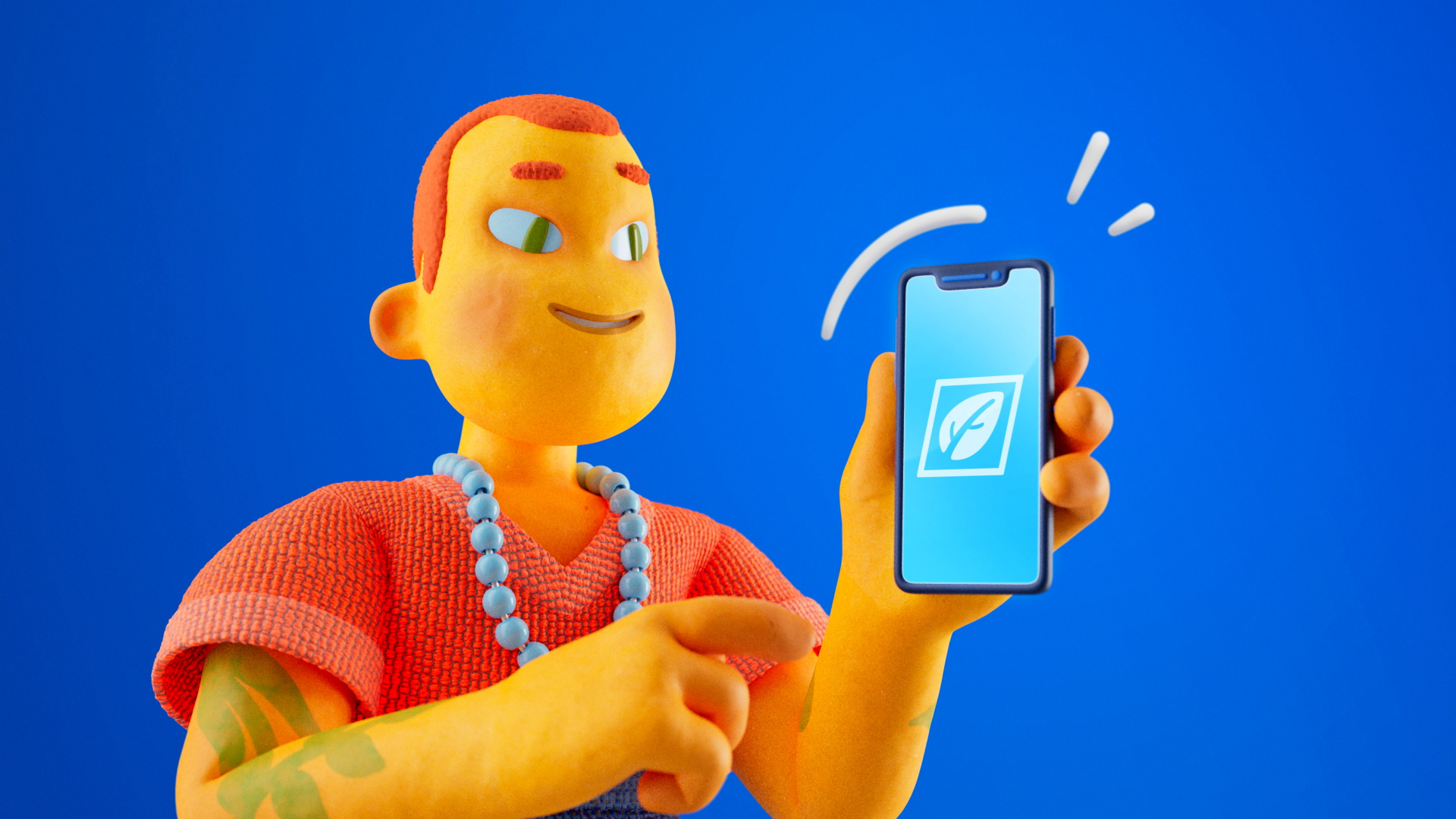
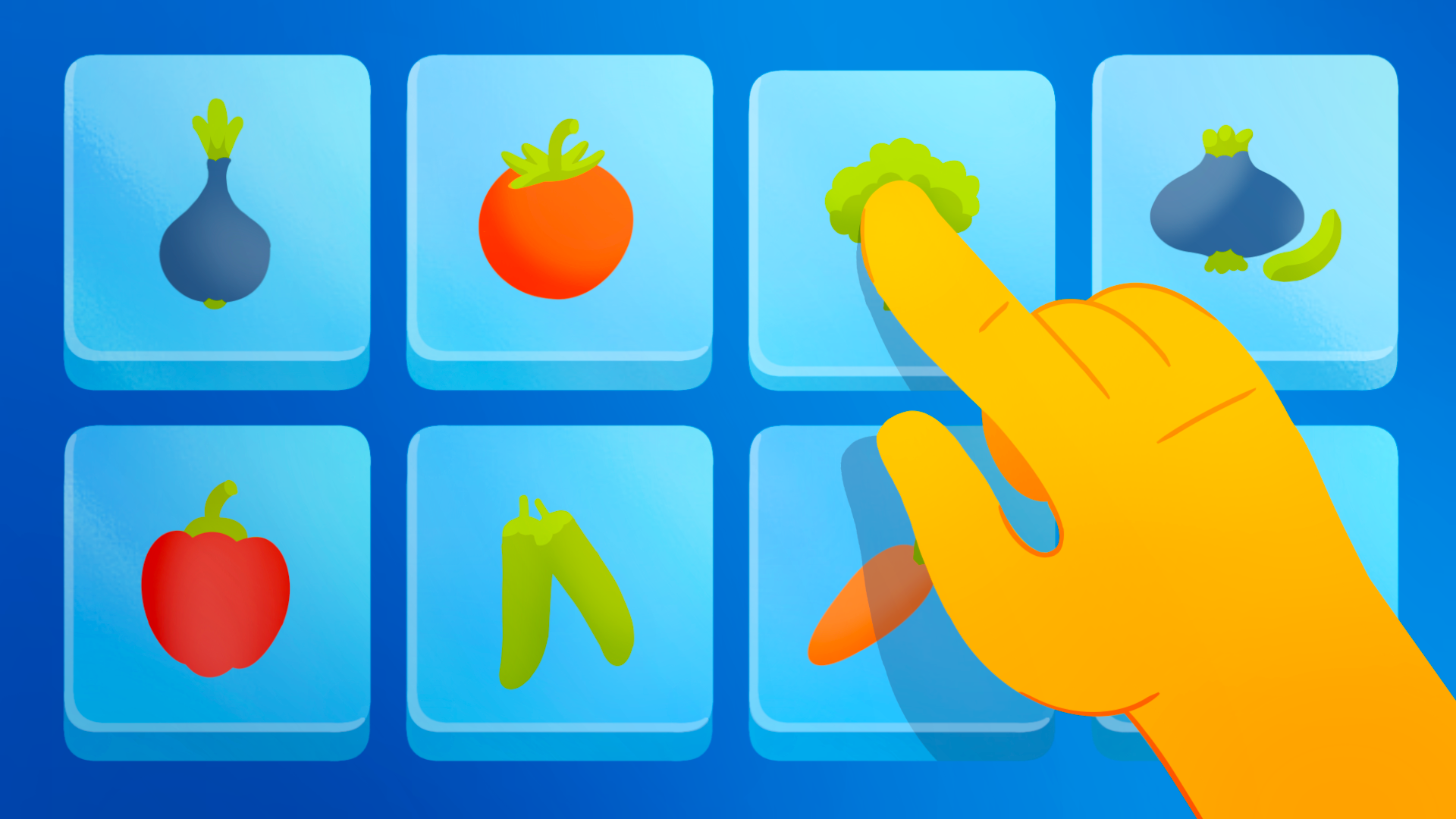
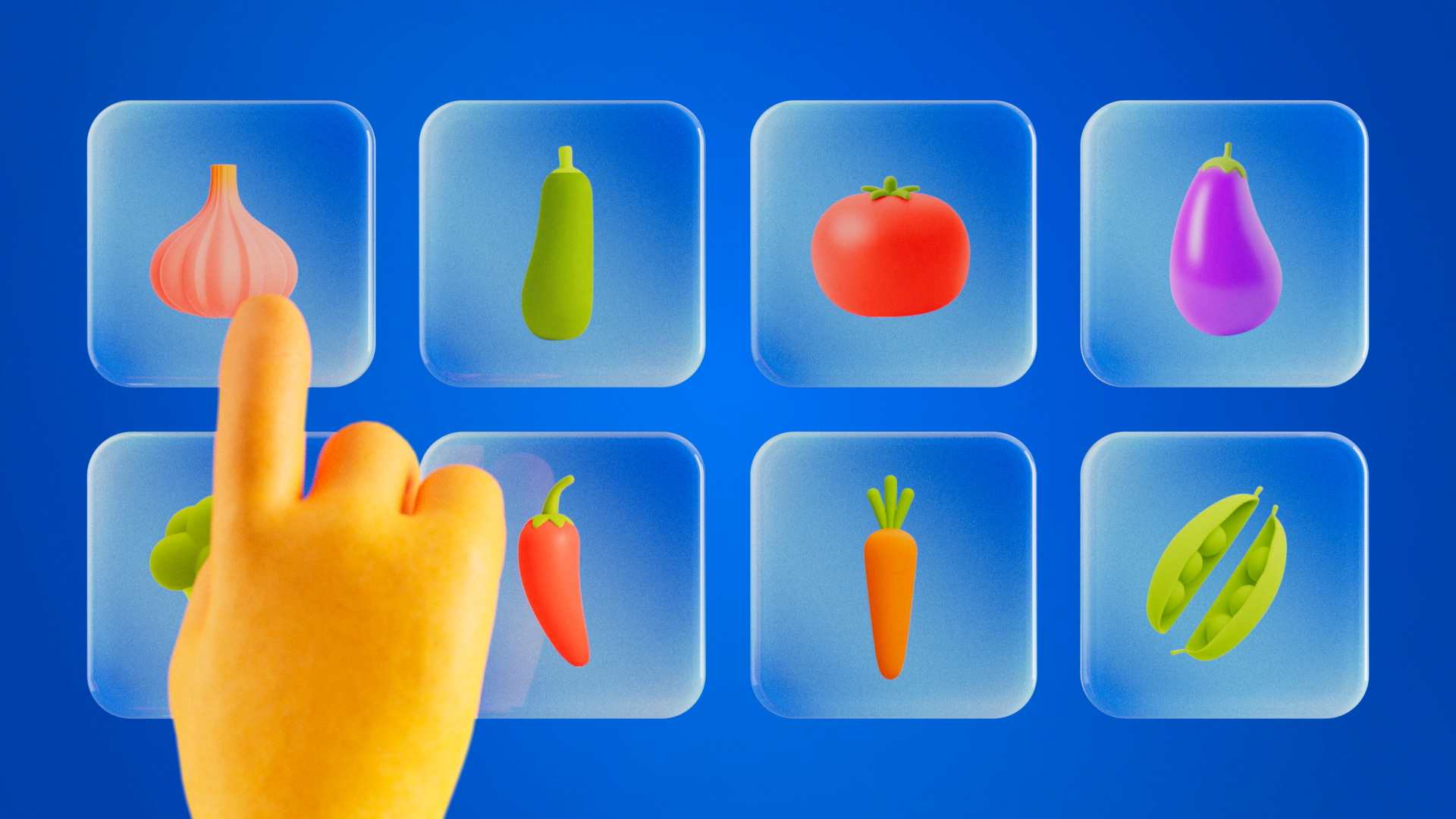
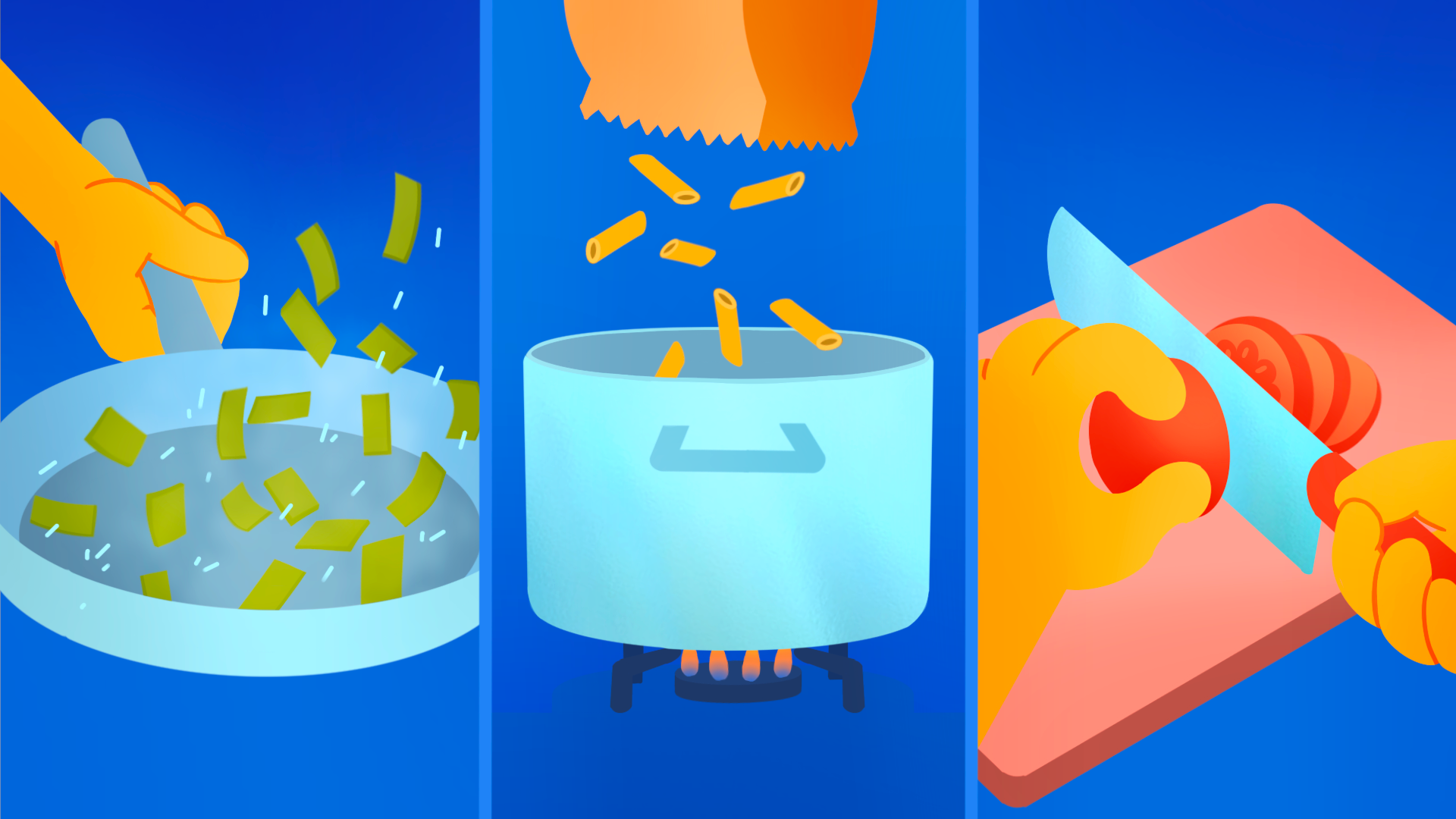
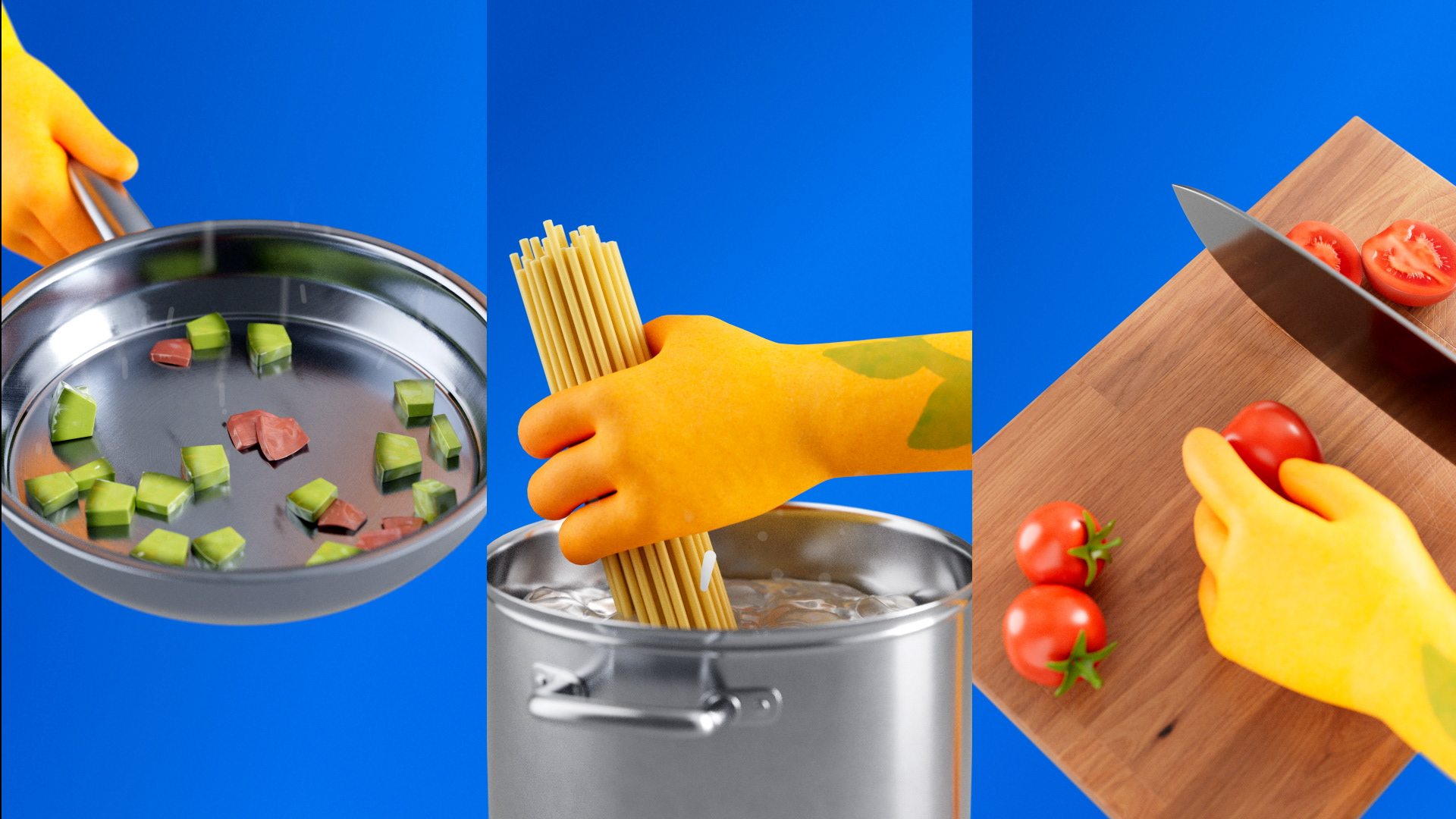
Before starting in 3D, I illustrated several 'style frames' in Procreate to lock in the aesthetic. Since the colors and mood were already established, I was able to focus purely on lighting and texture during the 3D look-dev phase. This pre-production work ensured that I was confident in the look and feel before the production started fully.
Storyboard frame > Illustrated frame > Animated frame

Use of AI
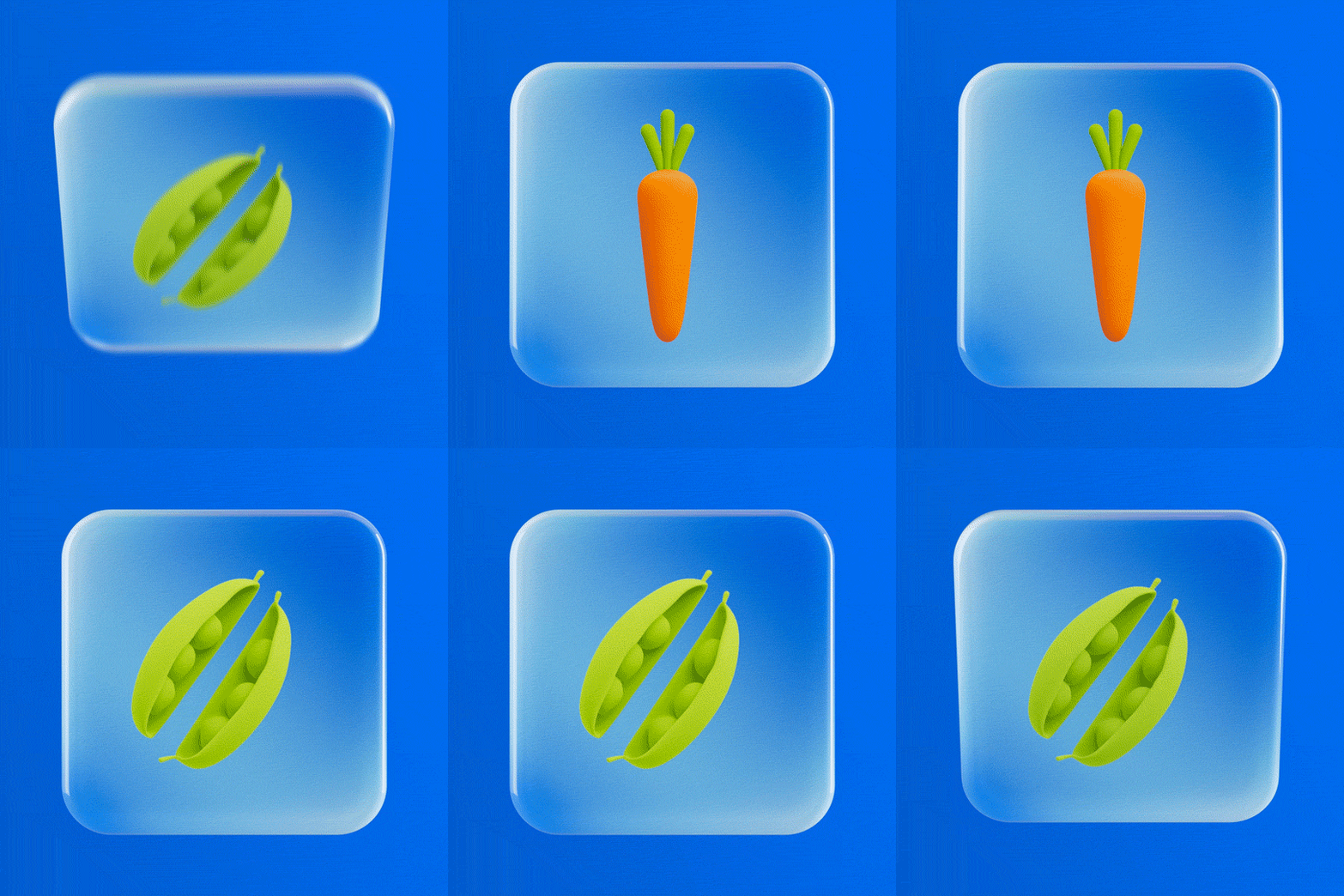
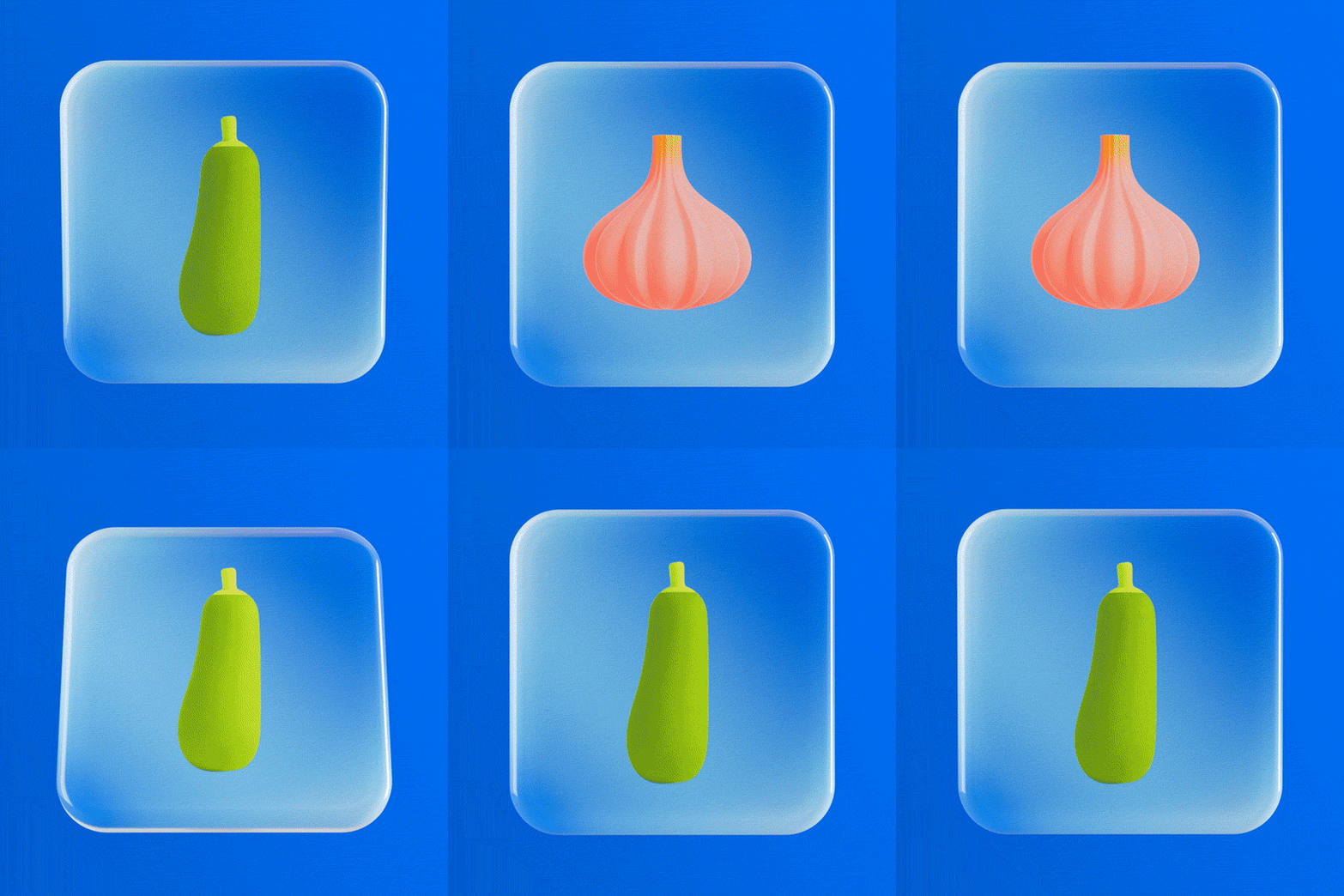
I used AI sparingly during this project, primarily to spar with about scenes, generate alternative storyboard frames based on the ones I already made and I also generated additional icons based on my existing vegetable renders to ensure a consistent style.
I am currently developing AI-integrated techniques that are flexible enough for commercial use while ensuring the creative process remains uncompromised. Since those techniques were still in development during this project, I relied primarily on traditional methods.

The Food
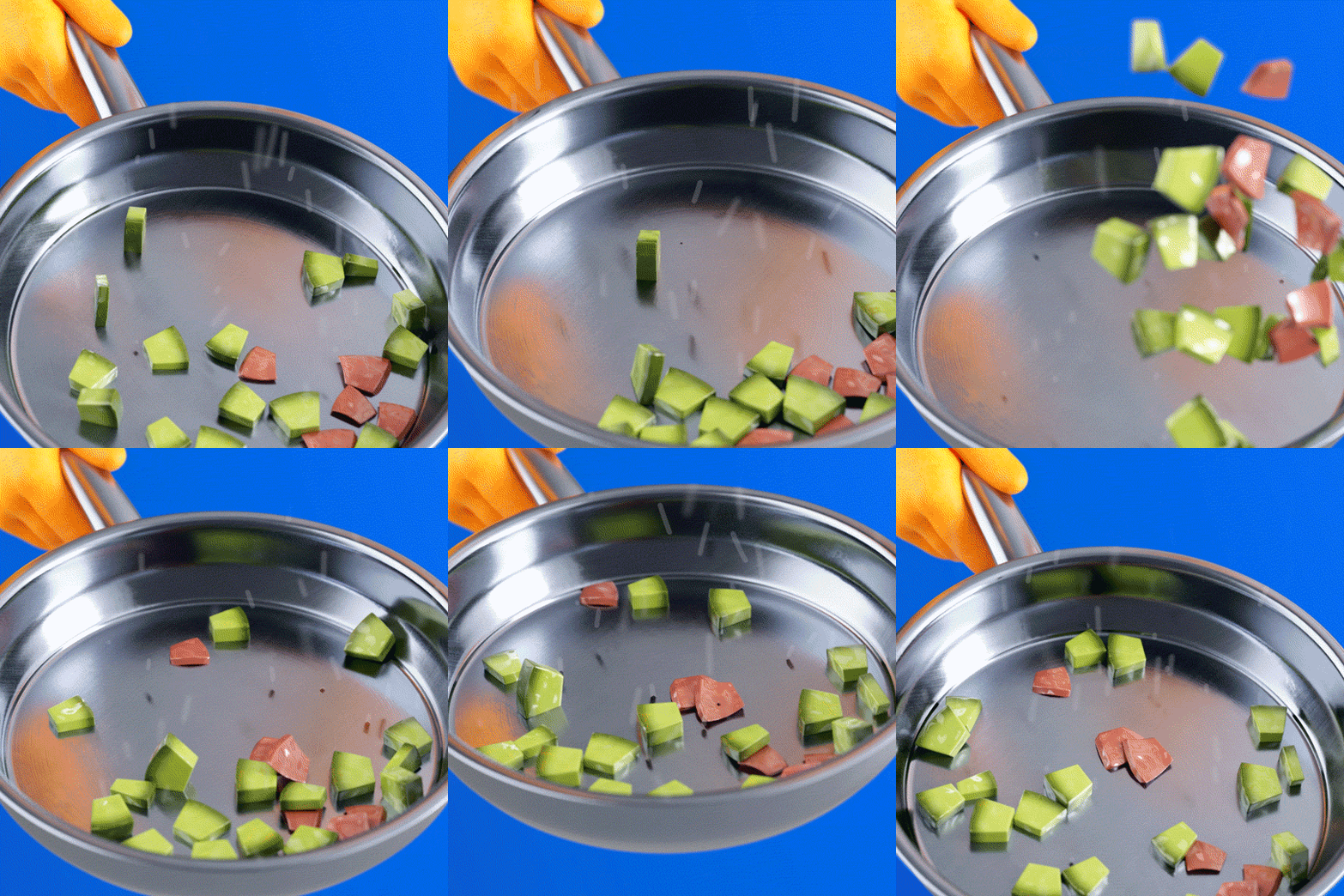
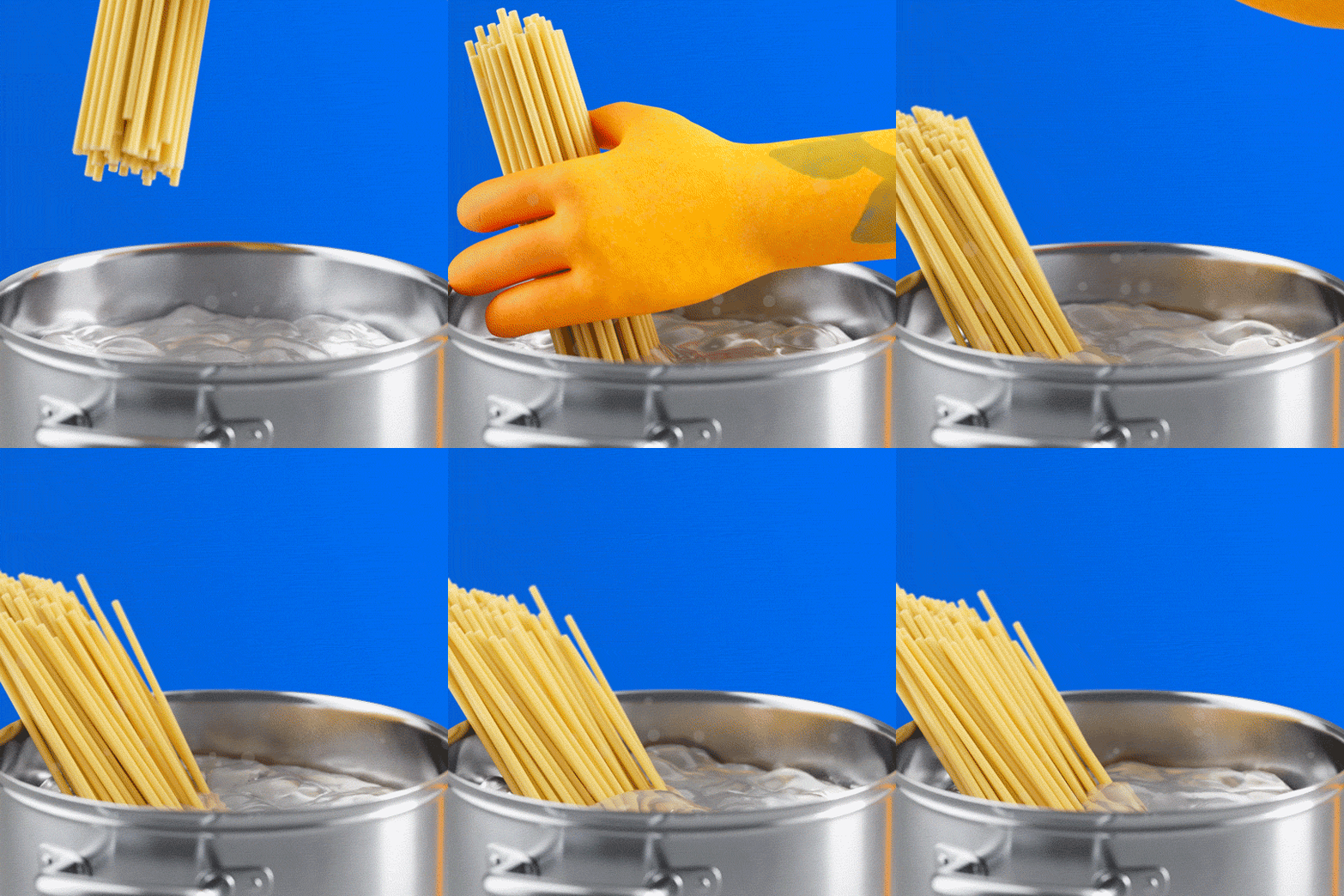
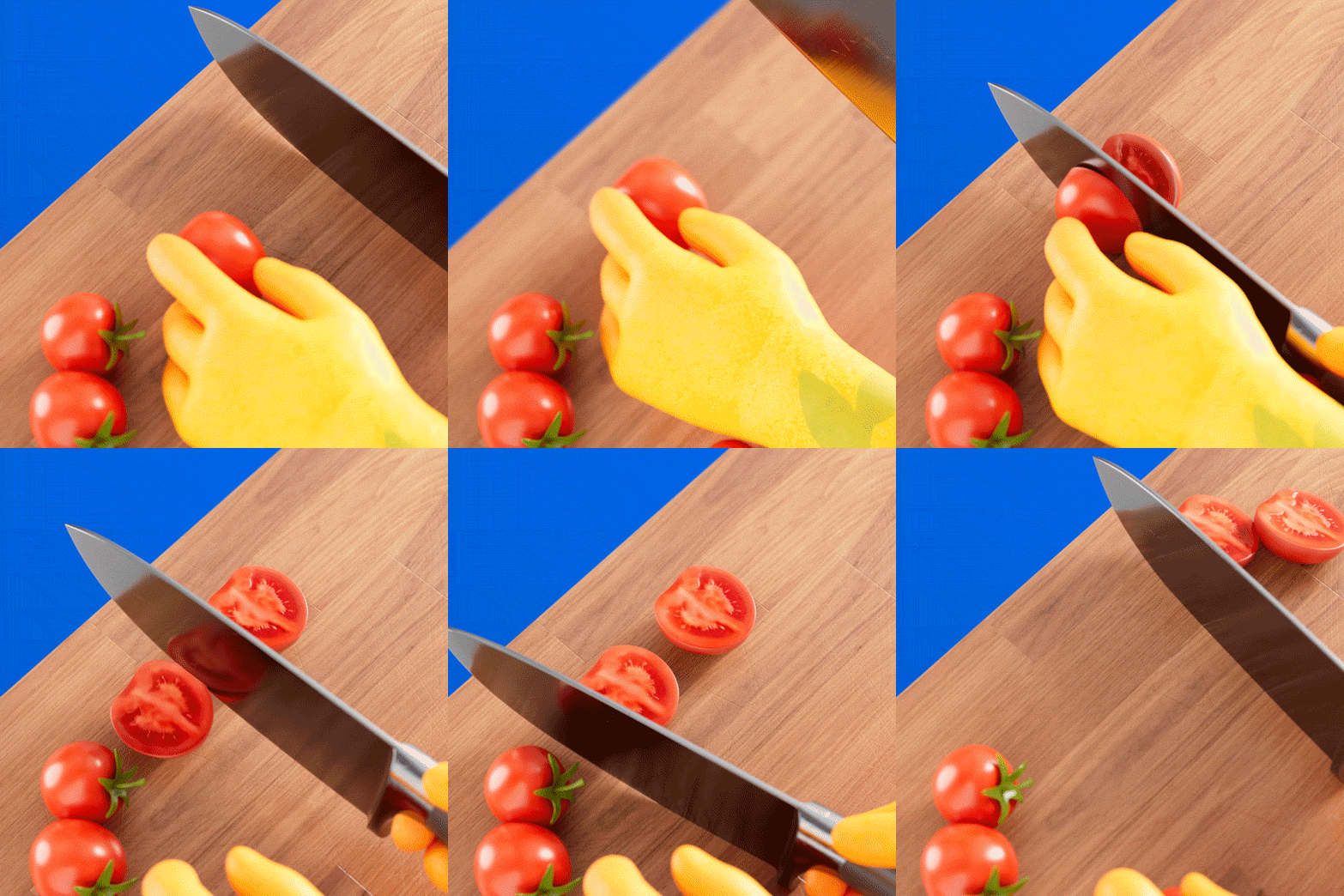
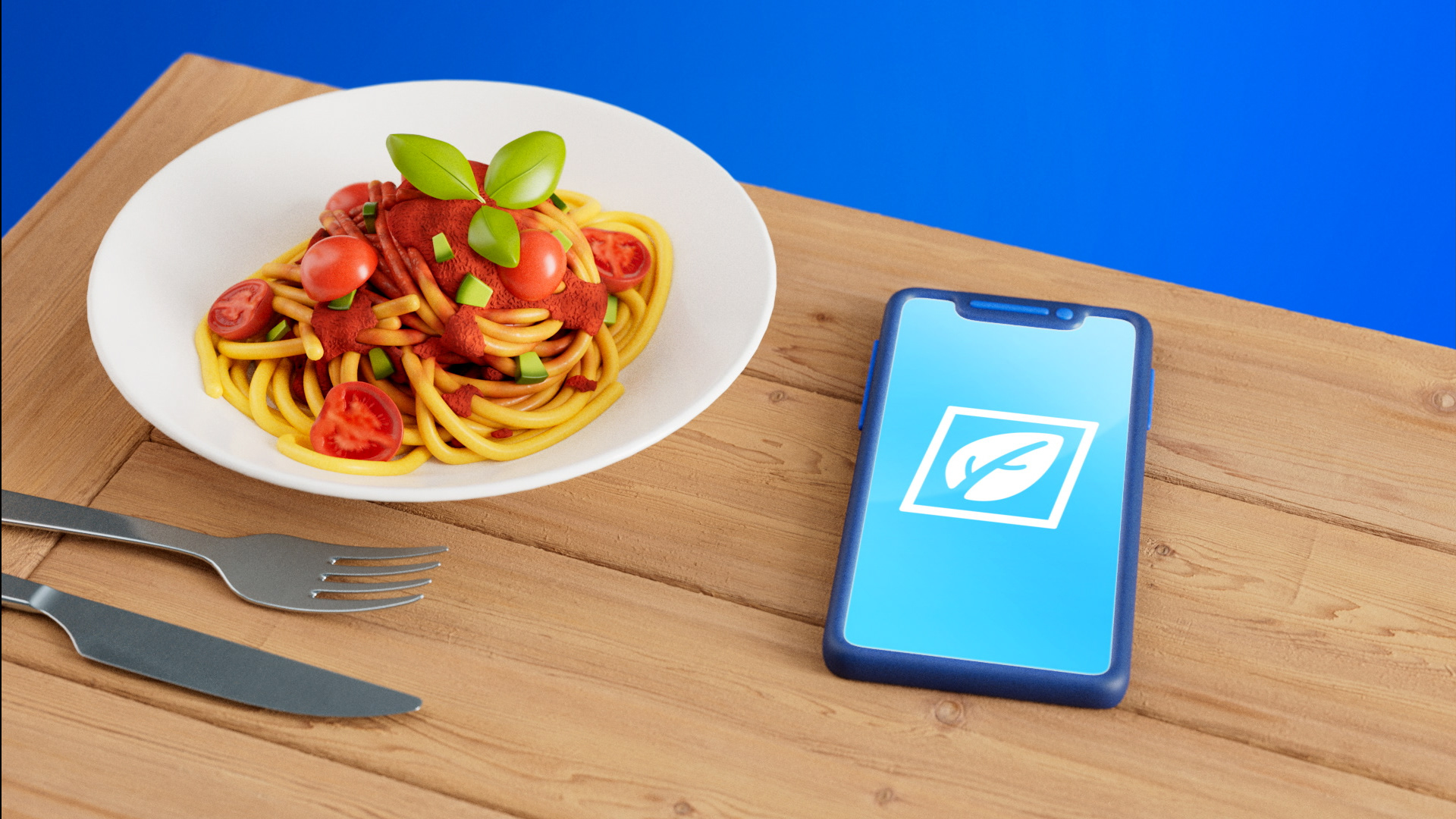
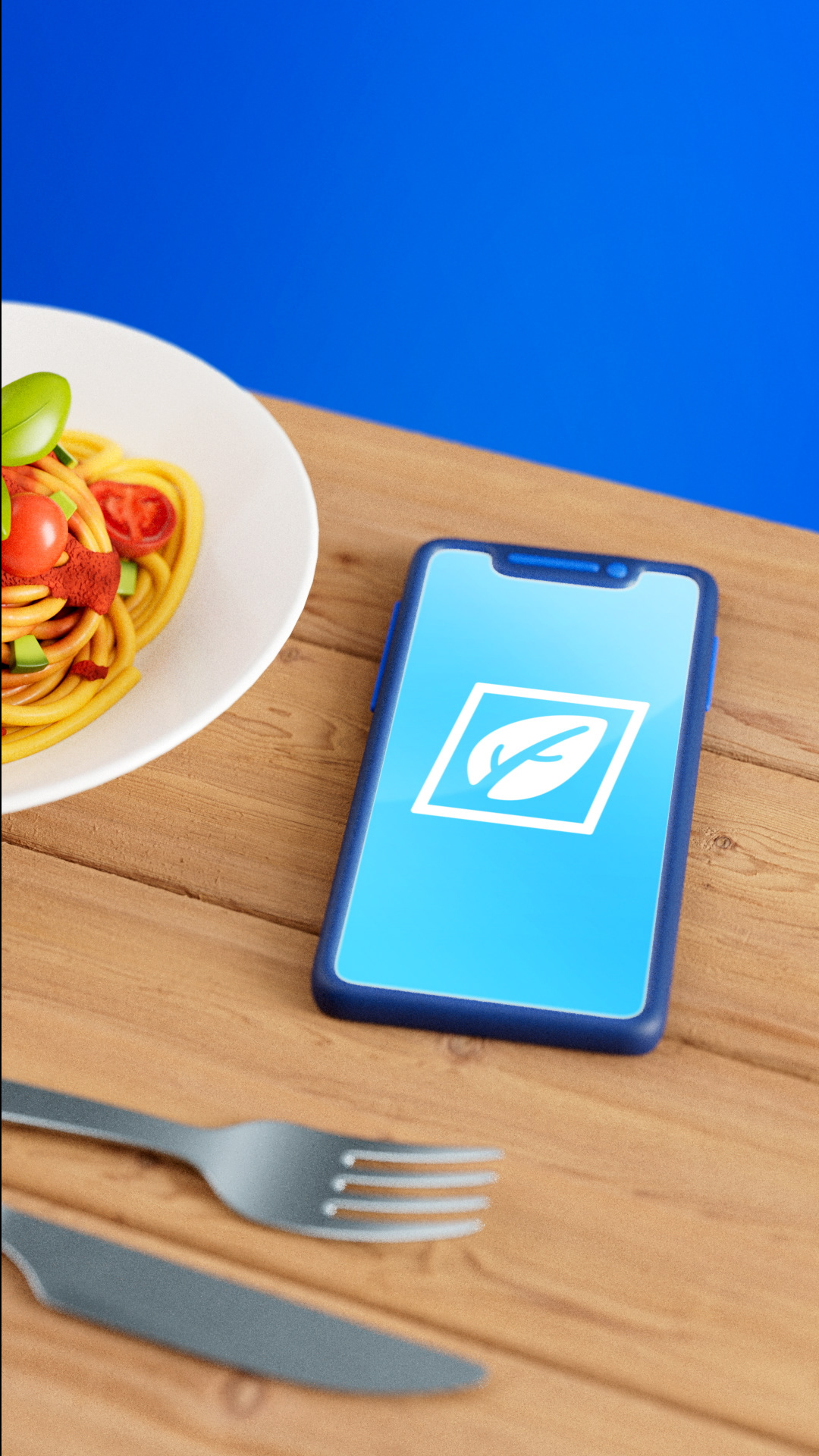
16:9 VS 9:16
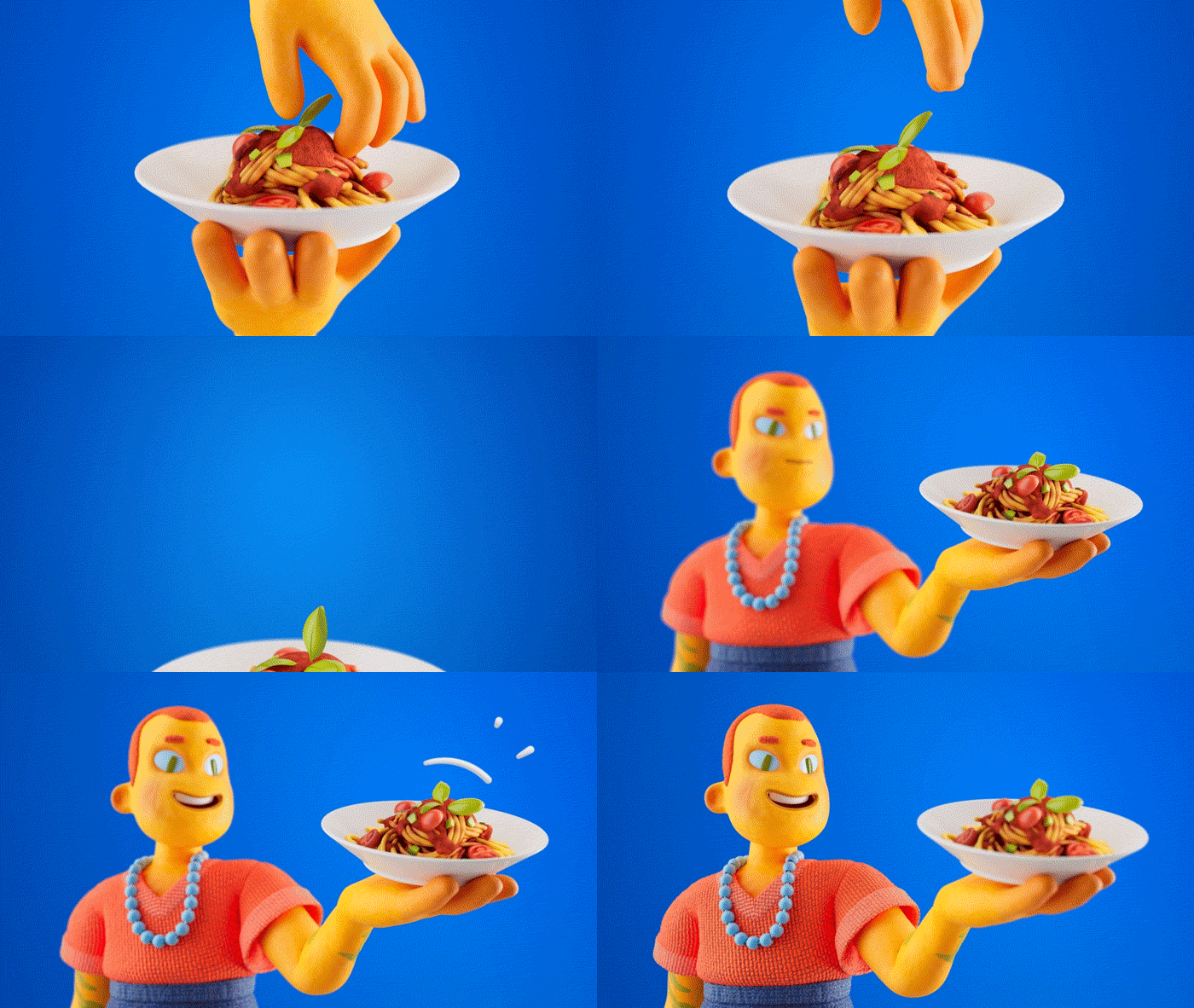
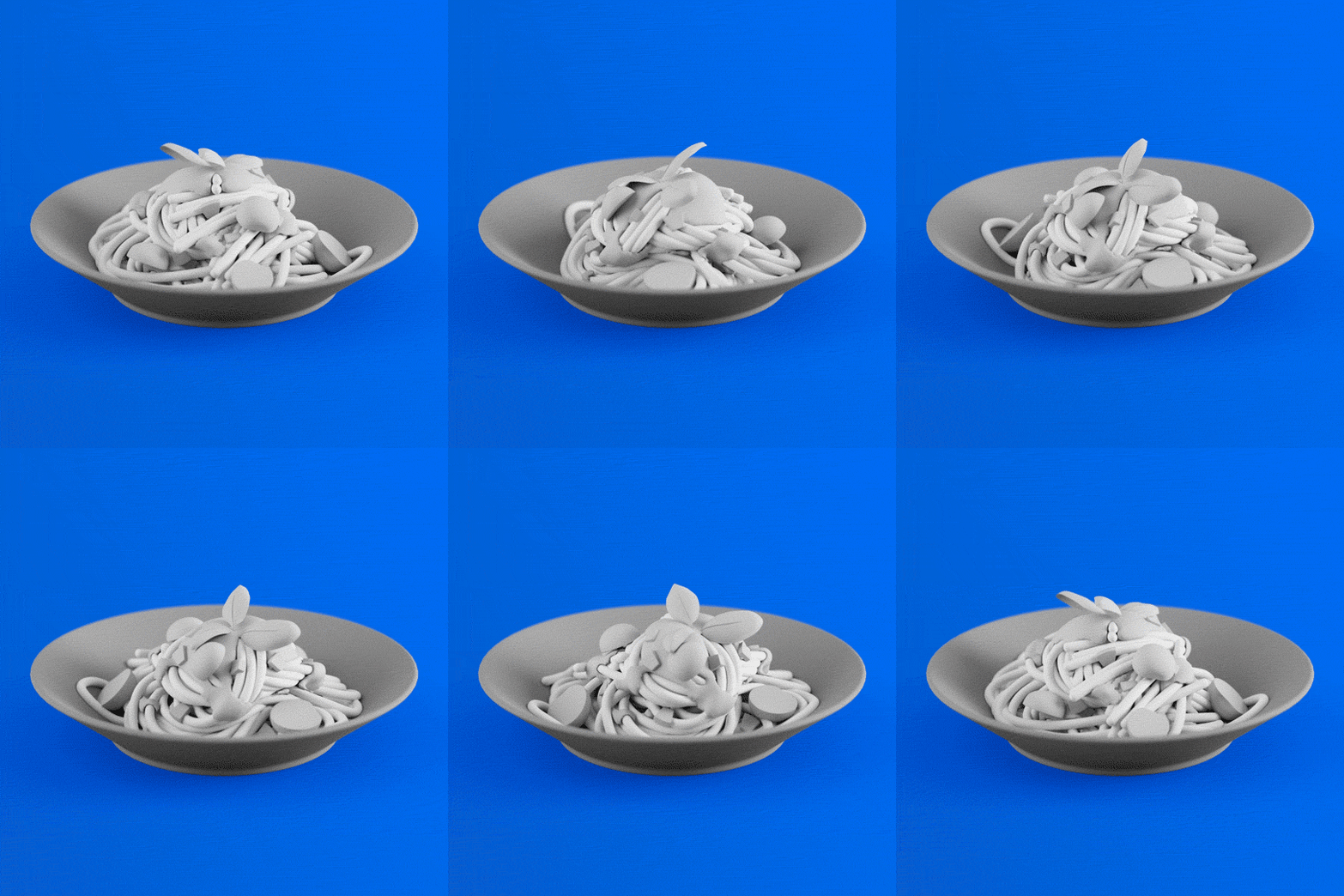
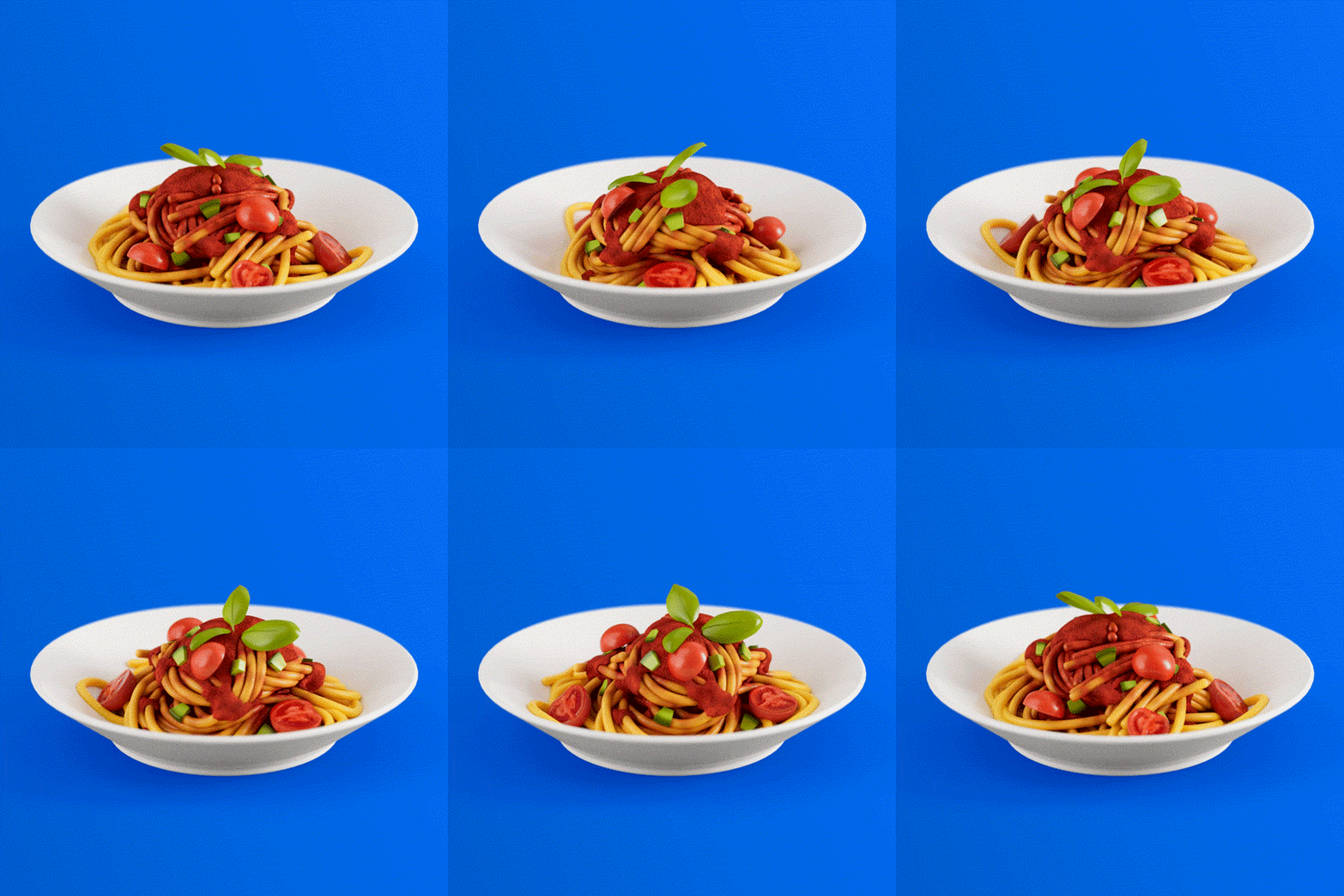
Food and animation are a tricky combination, it can start to look unappetizing very quickly if not properly designed. The challenge was that the stylized nature of this project wasn't compatible with realistic food, so I had to find a middle ground. This exploration was a lot of fun, I spent time analyzing examples of animated food and comparing them to photos of real food to determine what would work and what wouldn't.
Spagetti simulation > Added food > Final render
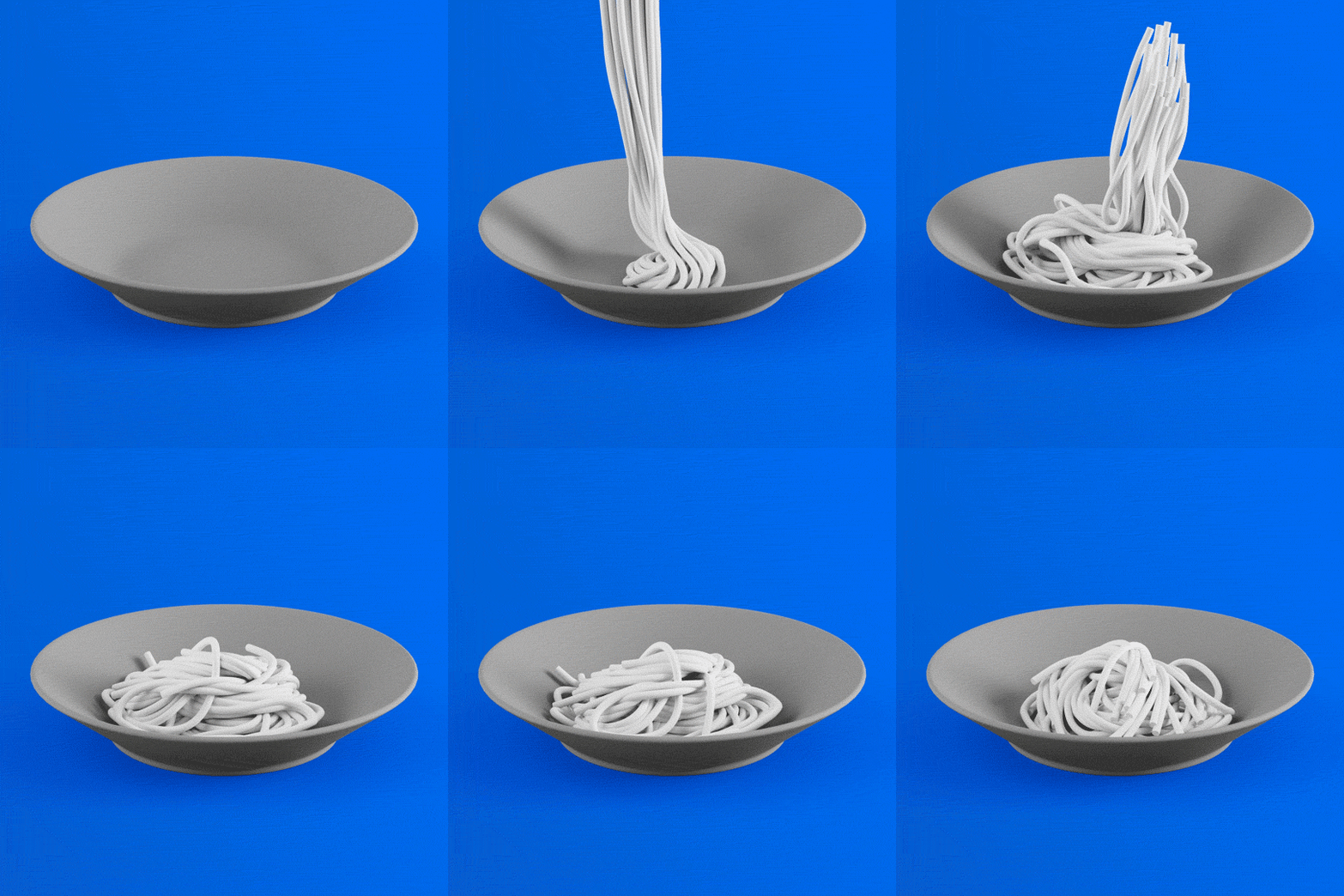
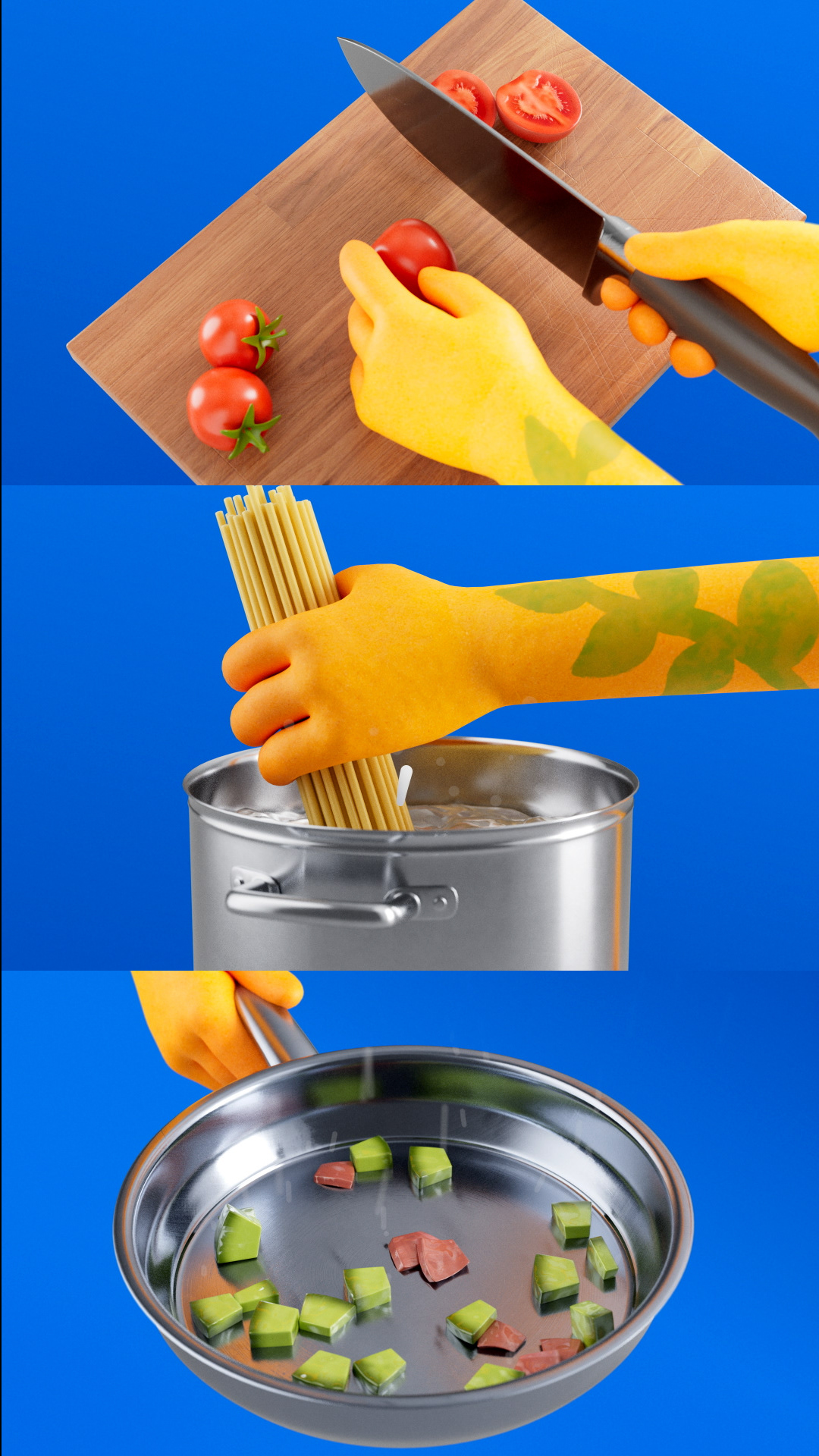
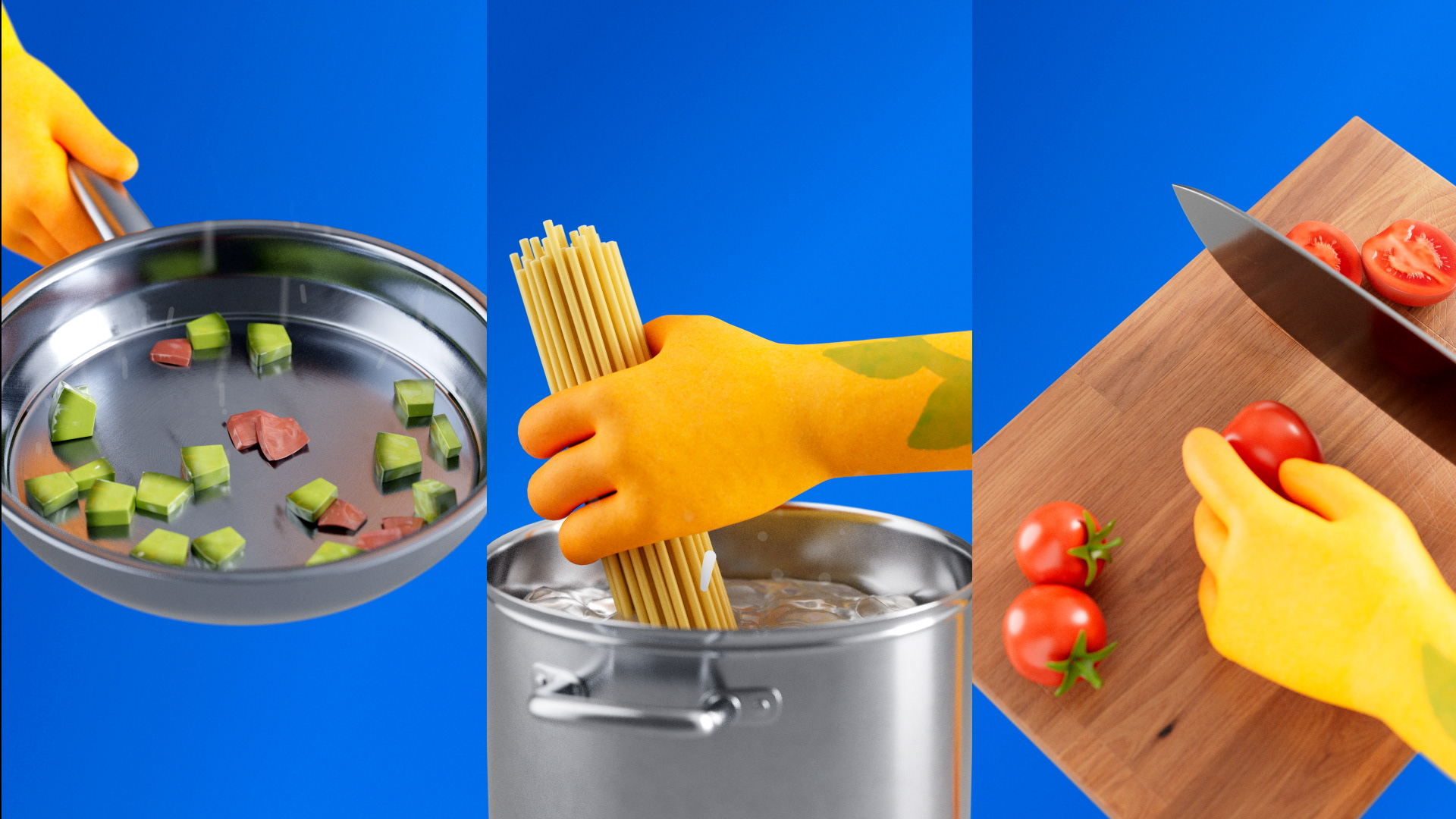
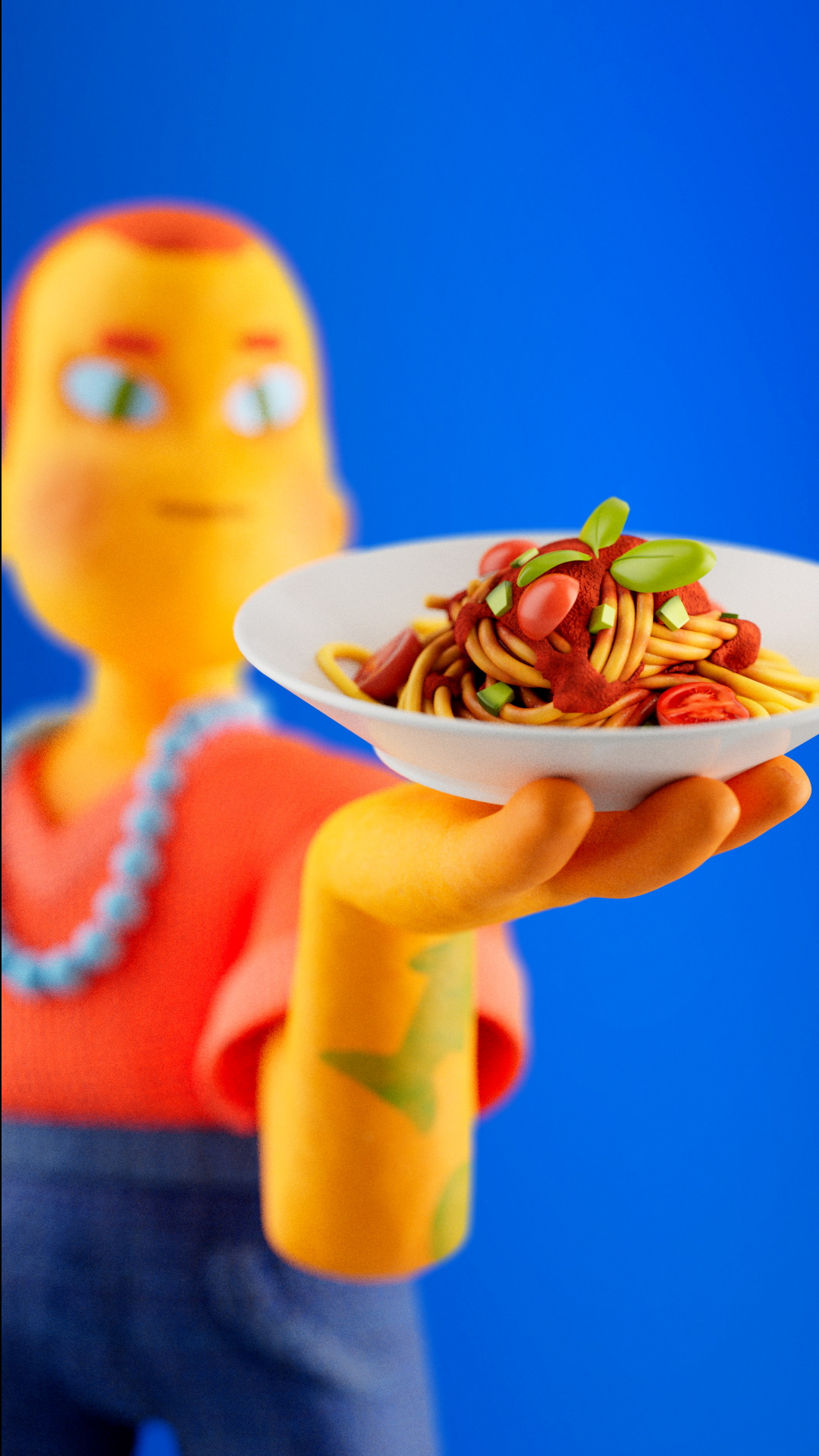
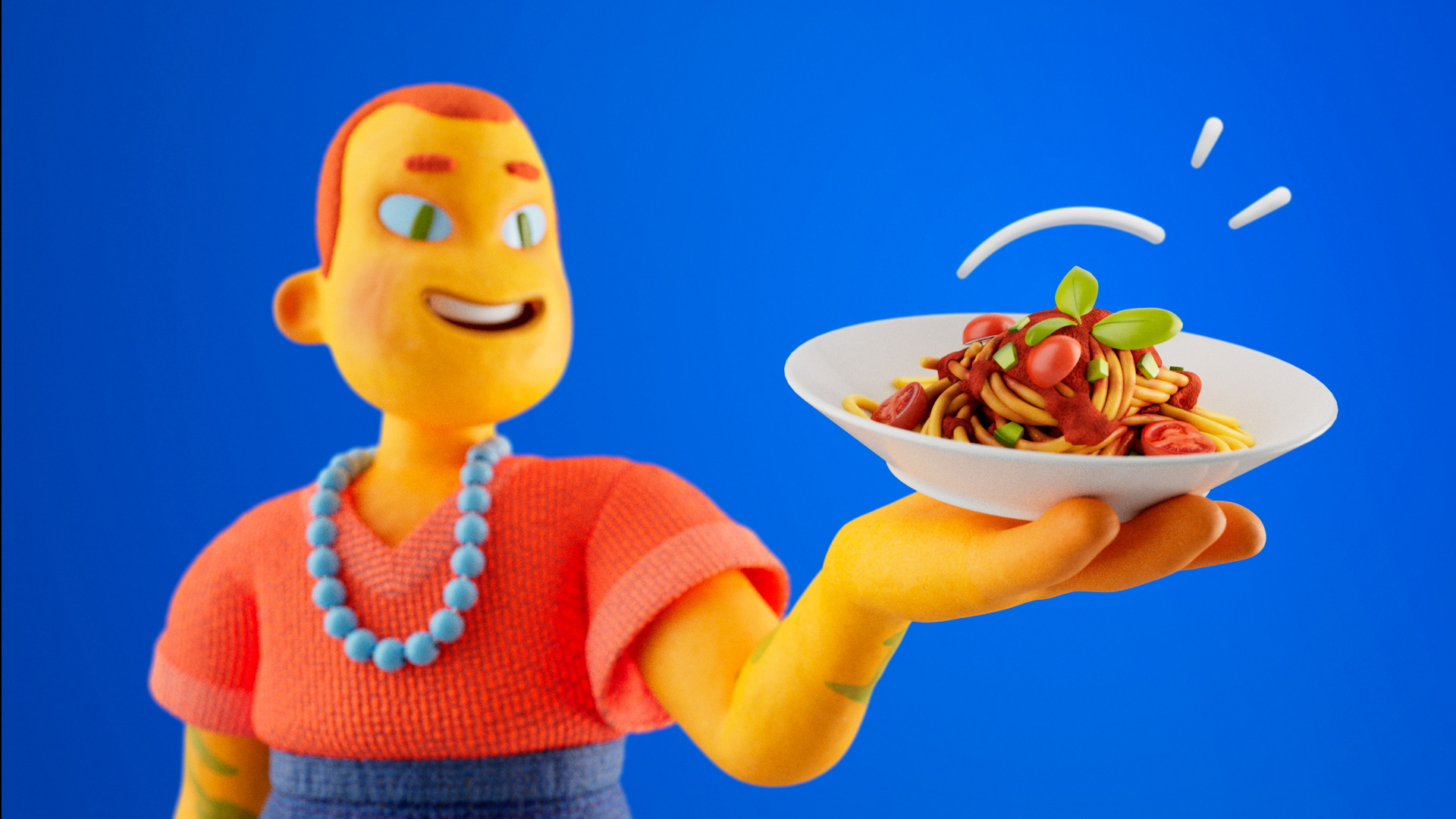
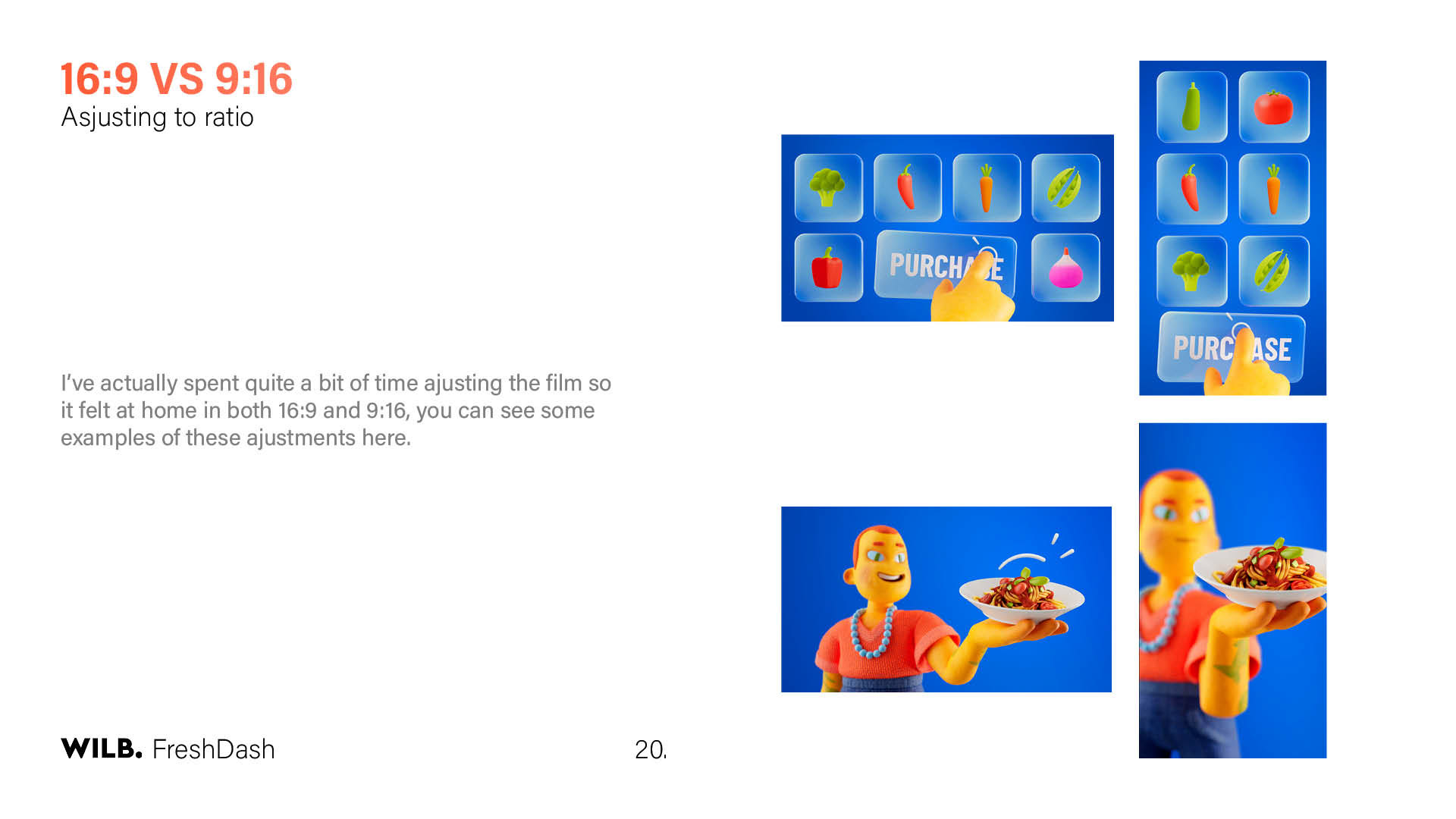
One of the major challenges in developing projects for today's media landscape is ensuring compatibility with both 16:9 (landscape) and 9:16 (vertical) formats. Animation offers a great deal of flexibility in this regard, allowing me to adjust the framing so each shot feels 'at home' in both aspect ratios.
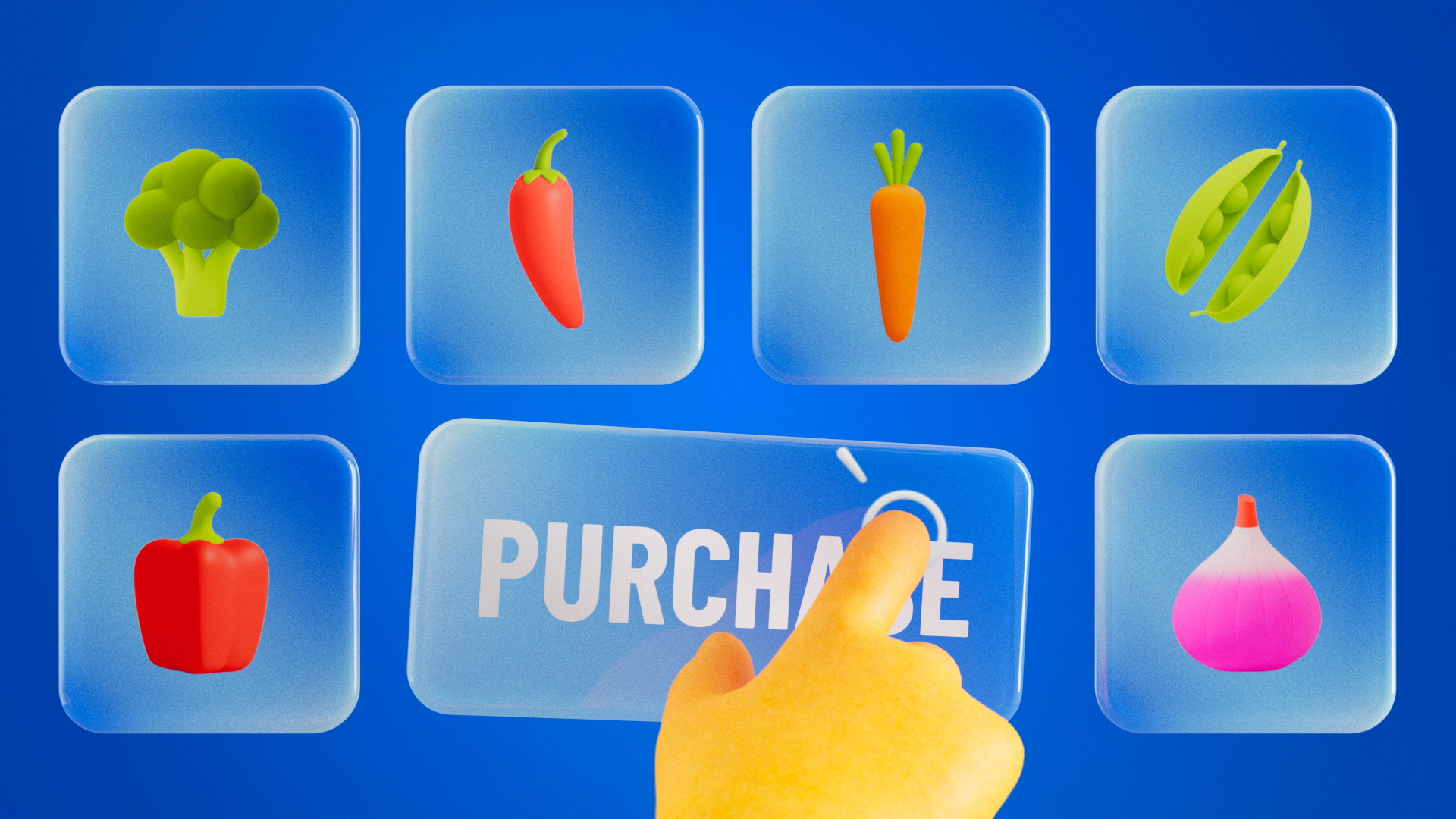
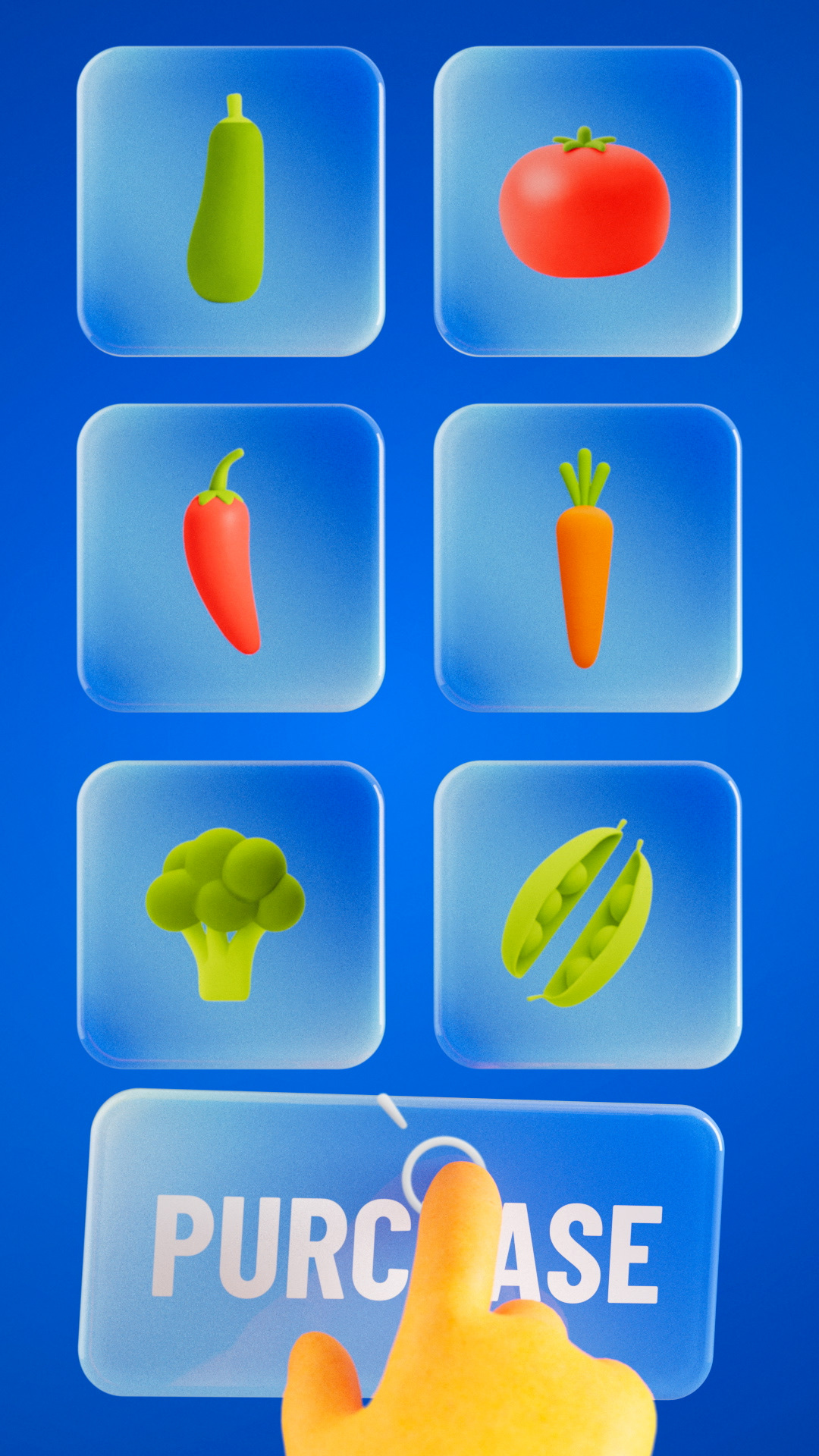
Thanks!